Referral marketing generates five times more sales than paid advertising. Email can return 4400% ROI. Restaurants that respond to social reviews can see a 15% uplift in customer satisfaction. Those numbers matter, but only if they change how a restaurant allocates budget, chooses channels, and measures results.
That is the point of this list.
Restaurant marketing in 2026 is no longer a choice between brand activity and performance activity. The strongest programmes connect trust, discovery, retention, and attribution. A creator post should help generate reach, produce reusable content, and carry a trackable offer. A review response should improve perception and support conversion. An email list should not sit apart from social. It should capture and retain demand that social discovery creates.
Many restaurant stat roundups stop at the number. Operators need the next step. Should the team invest in nano-creators or paid social? Should a multi-site group prioritise location-based creator matching over one large national name? Should offers run through promo codes, UTMs, booking links, or all three? Those are operational decisions, and they affect margin.
This article is built around that reality. Each statistic is paired with a practical takeaway, with a clear bias toward creator-led growth that can be measured. That means local relevance over vanity reach, simple attribution over fuzzy awareness claims, and channel combinations that support bookings, orders, repeat visits, and footfall.
The restaurants that improve fastest this year will not be the ones publishing the most content. They will be the ones that turn trust into a measurable system.
1. 92% of UK restaurant patrons trust recommendations from friends, family, and celebrities
A YouGov survey on celebrity influence in the UK helps explain a pattern restaurant marketers see every week. People act faster on trusted recommendations than on brand-led messaging alone.
For restaurants, the takeaway is practical. Trust-based marketing usually performs best when it feels local, visible, and easy to act on. That is why creator campaigns work when they mirror word of mouth instead of polished ad creative.
What to do with it
If you run one site, prioritise creators whose audience is close enough to visit without planning a full day around it. If you run multiple locations, match creators to each catchment area, menu type, and dining occasion. A weekday lunch site needs different advocates than a date-night venue or a suburban family restaurant.
Practical rule: Ask creators to show the visit clearly. Focus on the dish, the setting, the price point, and the reason to book or walk in.
There is a trade-off here. Celebrity reach can create awareness, but local relevance usually drives more covers. For independent restaurants and small groups, nano and micro-creators tend to be the better bet because they feel closer to a real recommendation and are easier to track with a simple code or booking link.
Campaigns lose value when the brief sounds like a brand script. Give creators guardrails, not a forced voice. The goal is trusted discovery you can measure, not generic reach you cannot tie back to revenue.
2. Referral marketing generates five times more sales than paid advertising
Five times more sales is a useful planning signal. It changes how restaurants should split effort between awareness and conversion.
The practical read is simple. Paid ads are still good at generating reach, filling retargeting pools, and supporting launches. Referral-driven marketing usually does the heavier work at the point of decision, because the recommendation already carries some trust.
That matters in restaurants, where the customer is often making a local, time-sensitive choice. A friend’s post, a creator visit, or a trusted recommendation often beats polished brand creative because it answers the core question faster: Is this place worth going to tonight?
How to use it
Build campaigns in this order:
Start with a recommendation asset: creator content, customer testimonials, review quotes, or staff-picked menu highlights.
Add paid spend after you see traction: promote the posts, videos, or offers that already produce saves, clicks, bookings, or redemptions.
Track every referral path: use unique promo codes, booking links, or UTMs so you can tie each partner or content piece to covers and revenue.
The trade-off is cost versus confidence. Paid media can scale fast, but weak creative burns budget quickly. Referral-led campaigns scale more slowly, but they usually give you stronger conversion intent and clearer signals on which messages convince diners.
For 2026, the smart move is not choosing one over the other. Use paid distribution to extend trusted content. Then measure the result like an operator, not a brand marketer. If a creator, customer advocate, or partner drives bookings at an acceptable cost per cover, keep funding that channel. If it only produces views, treat it as awareness and price it accordingly.
3. Word-of-mouth accounts for 13% of all sales
As noted earlier, word-of-mouth drives a meaningful share of revenue. For restaurants, that means referral behavior should be designed, tracked, and improved like any other acquisition channel.
The common mistake is treating word-of-mouth as a byproduct of good food alone. Good food gets satisfaction. Sharing usually needs a trigger, a prompt, and a reason to act now.
Build a referral loop you can actually measure
Start with one shareable proof point. A signature dish, a visual serve, a staff recommendation, or a creator video that shows the in-venue experience gives diners something specific to mention. Broad brand messaging rarely travels as far as one clear, repeatable talking point.
Then make the referral path easy to follow. Ask staff to mention the restaurant’s Instagram tag naturally. Add a QR code to the bill for reviews or bounce-back offers. Give creators and regulars distinct promo codes if you want to see which recommendations turn into bookings, covers, or repeat visits.
For local operators, smaller creators often fit this model better because the recommendation feels closer to a real friend’s tip. The practical advantage is not just trust. It is cleaner attribution and tighter audience match. This breakdown of why micro-influencers often outperform macro-influencers explains the pattern well.
The trade-off is speed versus control. Organic referral can lower acquisition costs, but it is harder to forecast unless the offer, prompt, and tracking method stay consistent. Restaurants that win with word-of-mouth in 2026 build repeatable mechanisms around it, then measure which recommendations produce revenue instead of just reach.
4. Word-of-mouth drives $6 trillion in annual global spending
Word-of-mouth influences spending at a scale few restaurant channels can match. For operators, the practical takeaway is simple. A trusted recommendation still changes where people book, what they try, and whether they bring someone else next time.
That matters because restaurant decisions are local and high intent. Diners rarely need another broad awareness ad. They need one credible reason to choose your place over the ten other options nearby.
Smaller creators often fit that job better than celebrity-style placements. A local food account with the right audience usually sends stronger traffic than a larger lifestyle profile with weak geographic relevance. The trade-off is reach. Bigger names can create visibility fast, but local creators are usually easier to match to a catchment area, easier to brief around a specific offer, and easier to track with a code or booking link.
The performance logic is covered well in this breakdown of why micro-influencers often outperform macro-influencers with data.
For a neighbourhood restaurant, the best partner is often the creator whose followers already trust their weekly dining picks. That kind of recommendation behaves less like media spend and more like a prompt to visit. In 2026, the restaurants getting the most from word-of-mouth are the ones turning trust into something measurable.
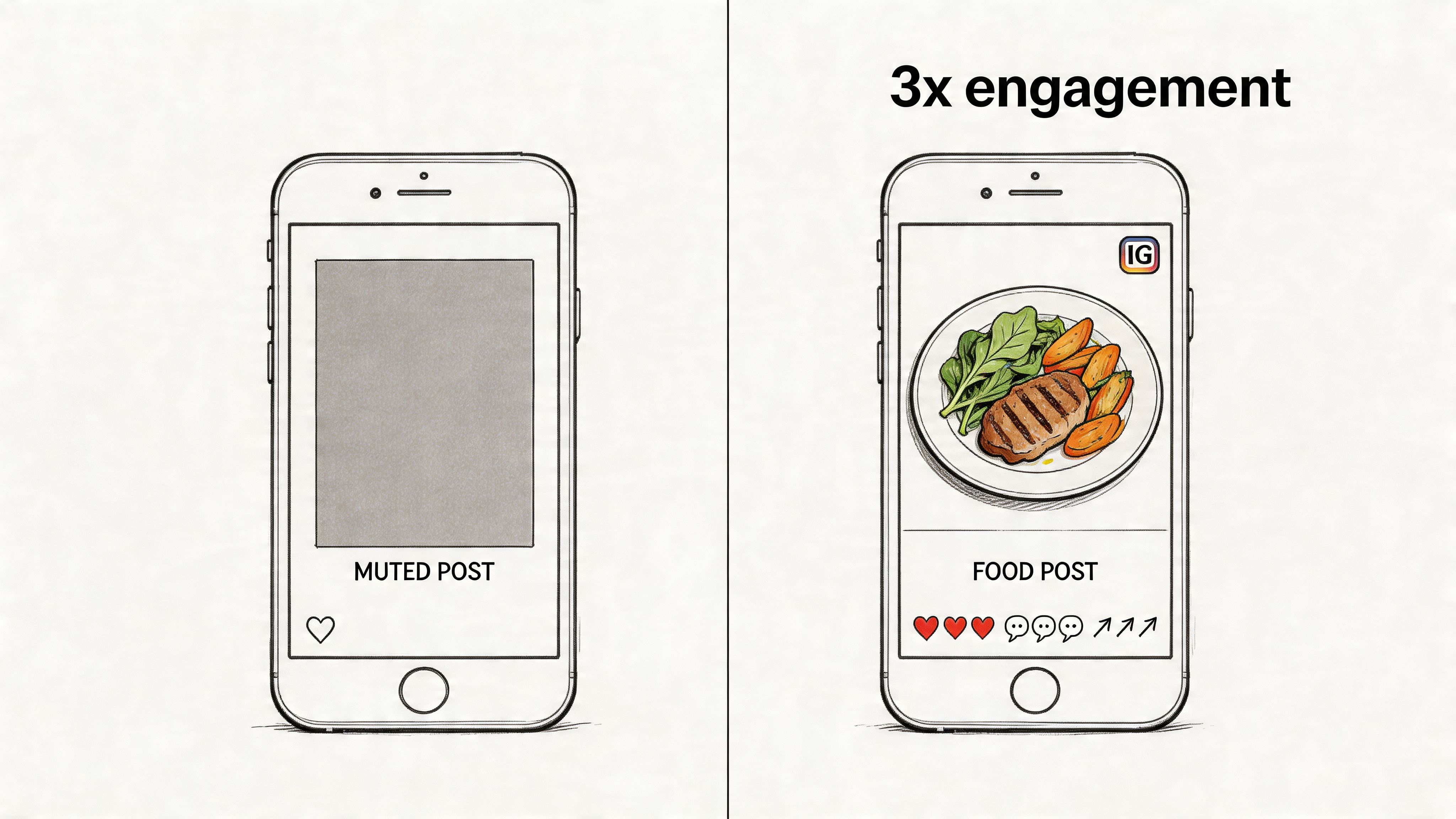
5. 60% of consumers use Instagram to discover new restaurants
A large share of restaurant discovery now starts inside a social feed. For operators, that changes Instagram’s job. It is no longer just a place to post nice photos after service. It is part search engine, part proof, part conversion path.
People use Instagram to answer practical questions fast. Is the food appealing. Does the room fit the occasion. Is this place nearby. Can I book without friction.
How to make Instagram pull its weight
Start with the profile. It should answer four questions in seconds:
What kind of place is this
What looks worth ordering
Where is it
How do I book or order
That sounds basic, but it's often how restaurants lose demand. A strong Reel can create interest, then a weak bio, outdated highlights, or broken link sends that customer back to Google or straight to a competitor.
The practical fix is operational. Keep your pinned posts current. Use location tags consistently. Show signature dishes, not just polished interiors. Put menus, opening hours, and booking details in highlights. Then give every creator campaign a clear path to attribution with a booking link, promo code, or trackable landing page.
Instagram also works better when the content feels native to the platform. Creator-led posts usually outperform brand-only content on that front because they show the restaurant through a diner’s point of view. If your team needs more of that content without overspending, this guide on how to get UGC for your restaurant without paying thousands is a useful starting point. For broader examples, these powerful user generated content strategies are worth reviewing.
The trade-off is control. Highly polished brand content protects consistency. Native creator content usually drives stronger discovery. In 2026, the better approach is to use both, then measure which posts lead to bookings, orders, and footfall.
6. Restaurants that respond to social reviews see a 15% uplift in customer satisfaction
A restaurant that replies to reviews tends to leave customers more satisfied. That makes review response part of the marketing stack, not a side task for quiet afternoons.
Diners notice who answers. They also notice tone. A specific, human reply can reinforce trust before a first visit. A generic response, or no response at all, can make the brand feel inattentive even if the food is strong.
The practical move is to treat reviews as conversion assets. They influence whether the next customer books, orders, or keeps scrolling. That matters even more after a creator campaign, because fresh attention often brings a wave of first-time visits and new public feedback. If that feedback sits unanswered, the campaign creates reach without strengthening trust.
Set up a simple operating rhythm:
Assign one owner: Someone should check Google and key social review channels every day.
Use templates carefully: Save time with a framework, then personalise the details.
Move complaints offline when needed: A public acknowledgement is useful. Resolution usually happens faster in private.
Tag review themes: Track recurring comments on service, wait times, dishes, and atmosphere so operations and marketing can act on them.
This also connects directly to content. Reviews tell you what customers notice, which is often more useful than what the brand wants to highlight. That insight can shape creator briefs, social posts, and landing pages. If guests keep praising one dish, feature it more often. If reviewers mention friendly staff or fast lunch service, build that into your messaging.
For restaurants trying to collect more authentic customer content at the same time, this guide on how to get UGC for your restaurant without paying thousands is a practical next step. For broader ideas, these powerful user generated content strategies are useful too.
7. Email marketing can yield 4400% ROI
A reported 4400% ROI is a reminder that retention channels still outperform a lot of top-of-funnel activity when they are set up properly. For restaurants, email rarely drives discovery on its own. It drives the second visit, the third order, and the booking that would have been missed without a follow-up.
That matters because creator campaigns and social content create attention, but email is often what turns that attention into repeat revenue you can measure.
Use email where it actually performs
The strongest restaurant email programmes are triggered by customer behaviour and tied to a specific business goal. In practice, that usually means:
Menu-led sends: seasonal launches, limited-time specials, new lunch offers
Occasion-led sends: birthdays, local events, holiday bookings, quiet-night promotions
Behaviour-led sends: lapsed guests, previous offer redeemers, customers captured through creator codes or tracked sign-ups
Segmentation does the heavy lifting here.
If someone first visited through a local creator campaign, send a follow-up built around that visit pattern, not the same newsletter sent to your full list. If a guest redeemed a brunch offer, the next email should sell brunch again, or a related daytime visit, instead of an unrelated dinner promotion.
That is where attribution starts to matter. Email becomes much more useful when it connects to the source of the original visit. A creator campaign brings in new names. Email helps you keep them, test offers, and see which audiences come back. That is one reason email works well alongside a measured creator strategy. This restaurant influencer marketing guide for 2026 explains how the channels fit together.
The common failure point is simple. Restaurants collect email addresses, then send one generic monthly update to everyone. That is not lifecycle marketing. It is a broadcast list. The trade-off is time and setup. Segmented automations take more planning upfront, but they usually beat frequent generic sends on revenue, unsubscribes, and operational clarity.
8. 80% of customers expect restaurants to have a social media presence
By 2026, social presence is basic due diligence for restaurants. Guests check Instagram, TikTok, Google photos, tagged posts, and comment sections before they decide whether a place feels current, busy, and worth a visit.
That expectation does not mean every restaurant needs to post constantly. It means customers want proof that the business is active, real, and easy to verify.
Presence sets the floor for trust
A neglected profile creates avoidable doubt. Old opening hours, empty comment threads, low-quality photos, and a six-month gap since the last post all raise questions before a customer even reaches the booking page.
A useful social presence is simpler than many teams make it. Keep location details accurate. Post recent food, space, and service shots. Show what the experience looks like this month, not last year. Reply to comments and tagged content while the post still matters.
The trade-off is consistency versus volume. Daily posting sounds disciplined, but it often produces filler and drains already thin teams. Fewer posts, better visuals, regular story updates, and creator content from local visits usually do more for discovery and trust than a rushed seven-day content calendar.
Restaurants should also treat social as a measurable channel, not just a shop window. If creator posts are part of the plan, tie them to trackable offers, booking links, or promo codes so the channel supports attribution as well as visibility. A practical framework for that approach is covered in this restaurant influencer marketing guide for 2026.
9. Campaign setup can be reduced to 20 minutes
A creator campaign only becomes useful for a restaurant when it is fast enough to launch and structured enough to measure. In practice, setup time drops sharply once the team stops building each campaign from scratch.
That changes the economics of the channel.
Many restaurants are interested in creator marketing but stall at the operations layer. The friction is rarely the idea itself. It is the admin. Finding the right local creators, sending briefs, confirming deliverables, issuing trackable offers, and collecting content can eat half a day before a single post goes live.
A workable 20-minute setup usually means the groundwork is already done. The restaurant has a saved shortlist, a standard brief, clear approval rules, and a simple attribution method such as unique codes or links. Without that foundation, creator marketing stays slow and difficult to repeat.
What a fast setup actually includes
The fastest teams standardise five things first:
A pre-vetted creator shortlist
Approved outreach templates
A clear deliverables checklist
Unique promo codes or trackable links
One shared place for assets, deadlines, and reporting
The trade-off is simple. More structure upfront means less flexibility in the moment, but it also means faster launches, cleaner reporting, and fewer missed details. For independent restaurants, that can be the difference between running creator campaigns occasionally and running them every month.
This is also where measurable attribution starts to matter. A campaign launched in 20 minutes is only an efficiency win if the restaurant can tie that activity to bookings, redemptions, covers, or revenue. Speed without tracking just produces content faster. Speed with tracking turns creator marketing into an acquisition system.
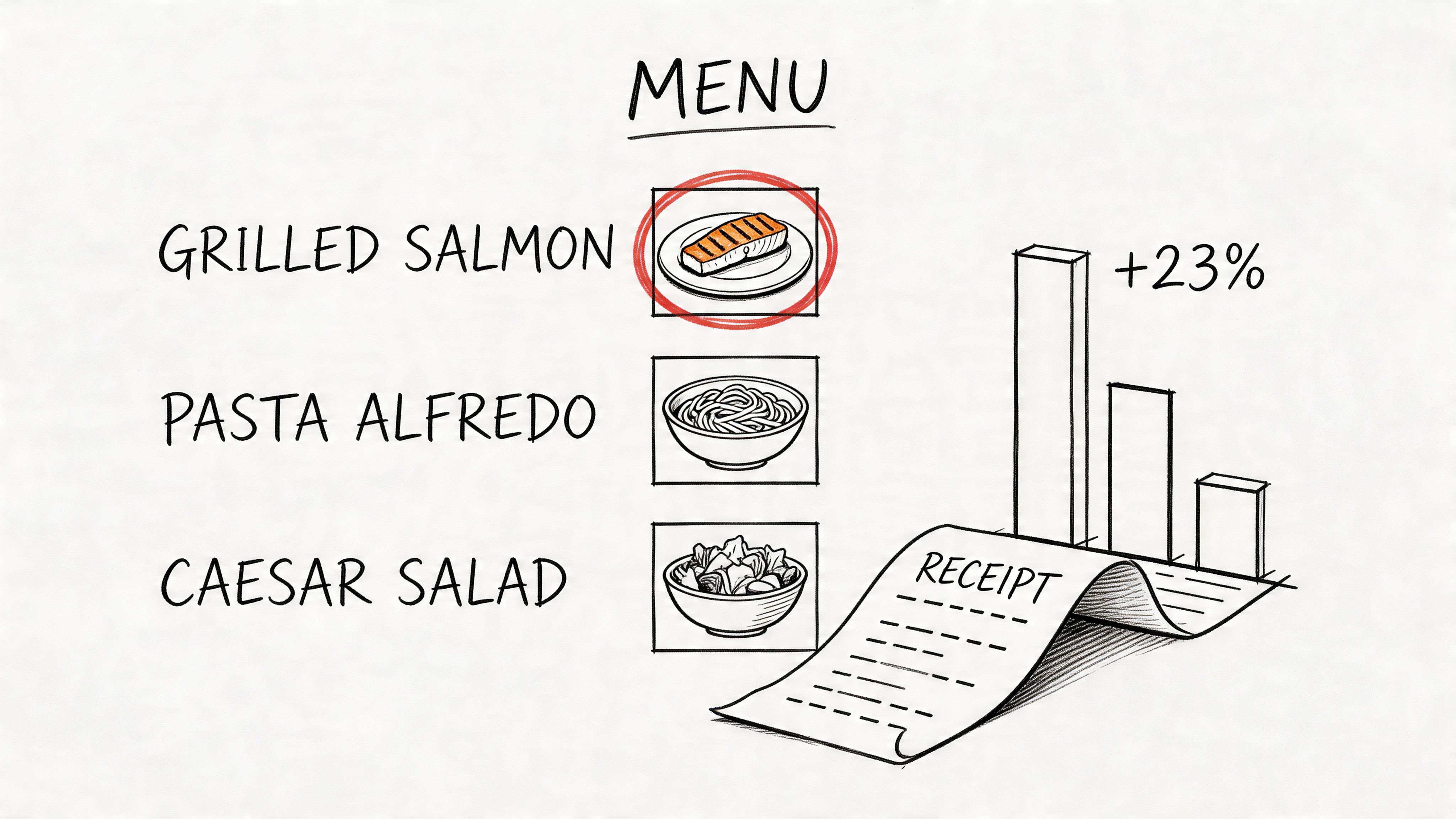
10. Automation can save 95% of manual outreach time
Saving 95% of outreach time changes the economics of creator marketing. The gain is not just speed. It is consistency, follow-up discipline, and cleaner reporting across every campaign.
Manual outreach breaks down in predictable places. A manager finds creators one by one, rewrites the same message, chases replies across DMs and email, and then has to match posts back to codes, links, or bookings later. That work is repetitive, but it also creates small errors that hurt attribution.
Automation helps by standardising the repeatable parts while leaving the creative judgement with the restaurant team.
Where automation saves time
The biggest gains usually come from automating:
Creator matching by location and audience fit
First outreach and follow-up sequences
Brief delivery and deadline reminders
Asset collection and approval tracking
Promo code, UTM, and redemption reporting
The trade-off is real. More automation means less room for bespoke handling at the first touch. For high-value creators, a manual note from the owner or marketing lead can still lift response rates. For nano and micro-creator campaigns, standardisation usually wins because volume and local relevance matter more than white-glove outreach.
Used properly, automation does more than save admin time. It makes creator-led growth repeatable, and repeatability is what turns a one-off collaboration into a measurable acquisition channel.
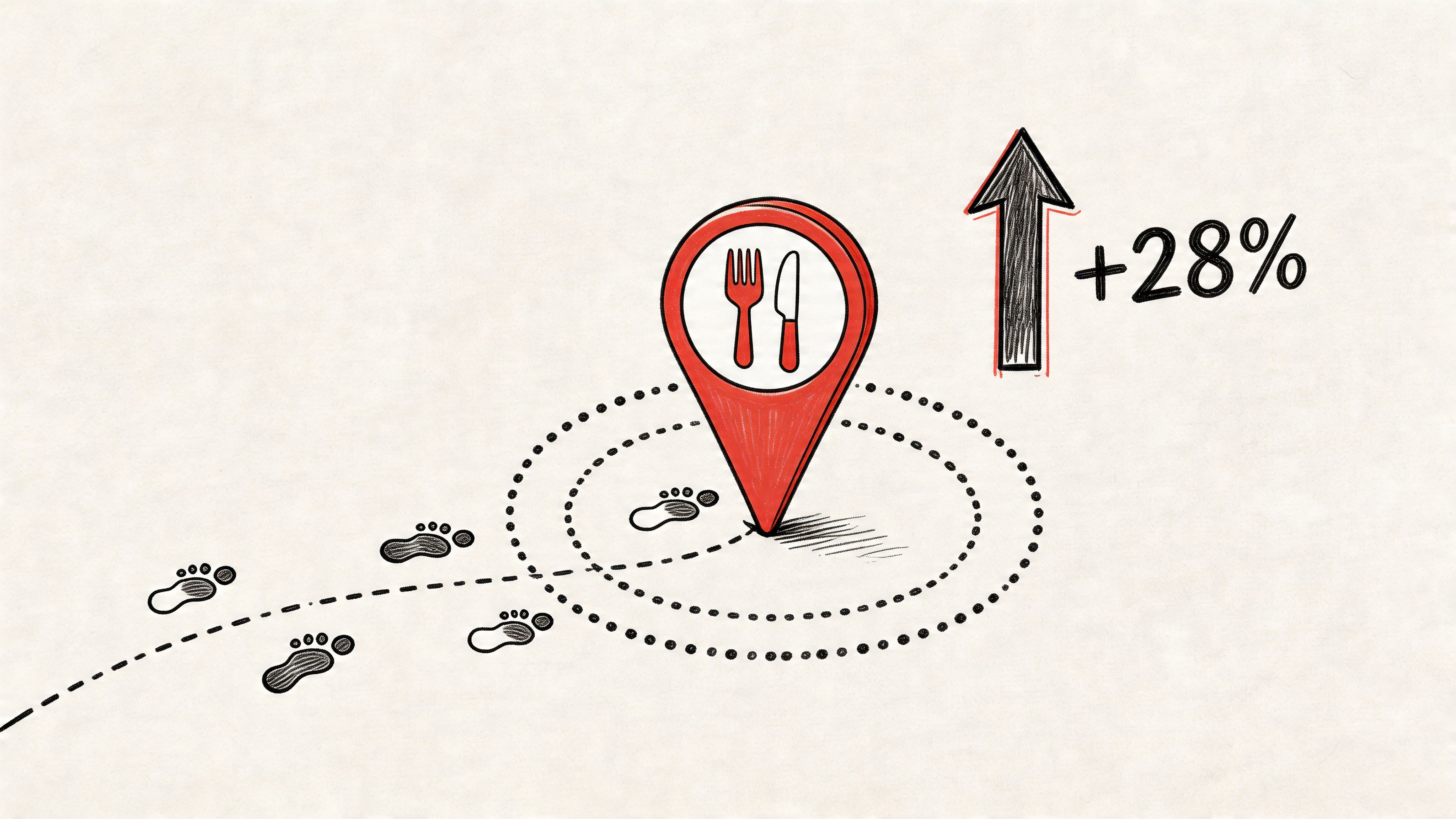
11. Influencer marketing spend in UK hospitality grew 28% year over year to £1.2B in 2025
A 28% year-over-year increase to £1.2B signals a crowded channel, not an easy one. As reported by Hospitality Investor, UK hospitality brands put far more money into influencer activity in 2025. That changes the operating conditions for restaurants.
Higher spend usually brings three pressures at once. Creator inboxes fill up, rates rise, and average campaigns get less attention unless the brief, offer, and audience match are tight. Restaurants that still treat creator work as a one-off awareness play will feel that pressure first.
How to respond without wasting budget
The practical move is to run creator campaigns like a performance channel with content upside.
Buy local relevance before you buy reach
Set the offer before outreach starts
Judge creators on redemptions, bookings, and footfall signals
Reuse top-performing content in paid social, email, and listings
There is a trade-off. Larger creators can deliver faster visibility, but smaller local creators usually give restaurants better cost control and cleaner attribution. In a market where spend is rising quickly, that difference matters.
The restaurants getting value from this shift are not chasing influencer marketing because it is popular. They are building creator programmes that tie each collaboration to a measurable business outcome.
12. Only 22% of UK restaurants attribute conversions via promo codes or UTMs
Only 22% of UK restaurants track conversions with promo codes or UTMs. That leaves a large share of restaurant marketing spend hard to defend, especially in creator campaigns where views and likes rarely answer the budget question.
The practical problem is simple. If a creator post drives covers, bookings, or walk-ins but the campaign has no trackable link, code, or offer, the team is left arguing from correlation. That usually leads to two bad decisions. Restaurants either keep spending on creators that look good but do little, or cut partnerships that were working because nobody set up measurement.
What to put in place before a campaign goes live
Use one primary attribution method per campaign, then keep it consistent across every creator involved.
Unique promo code for walk-ins and takeaway
Unique booking link for reservation-led offers
UTM-tagged landing page for menus, launches, or events
Location-specific offer for multi-site reporting
There is a trade-off here. The more precise the setup, the more operational discipline the team needs at the till, in the booking system, and in reporting. But even basic attribution beats none. A simple code tied to one creator and one offer is often enough to spot who is driving real revenue.
For UK restaurants, low adoption is an opening. Operators that measure creator-led conversions now can optimise faster, protect budget more easily, and build a stronger case for repeating what works.
13. UK trials showed 3.2x ROI from geo-targeted TikTok nano-creators driving footfall
Early UK campaign trials reported a 3.2x ROI from geo-targeted TikTok nano-creators focused on driving in-person visits. That matters because footfall is harder to influence than reach, and harder to prove than clicks.
The useful takeaway is specific. Local creator campaigns tend to perform best when the creator’s audience lives close enough to act on the recommendation that week, not someday. For restaurants, that makes nano-creators a practical acquisition channel, not just a content play.
Where this works best
Geo-targeted TikTok creator campaigns are usually strongest in situations where timing and proximity matter:
New site launches
Quiet weekday trading
Limited-time menu drops
Area-specific pushes for multi-location groups
There is a trade-off. Smaller creators usually bring better local relevance and lower cost, but they need tighter briefing, simpler offers, and cleaner reporting to compare results fairly.
For operators, the strategy is clear. Match creators by postcode or catchment area, give each one a distinct offer, and measure footfall against a short campaign window. That is how creator-led growth becomes attributable growth.
14. 51% of US restaurants use generic loyalty apps, but only 22% of UK restaurants track via promo codes or UTMs
Half of operators can have retention software in place and still struggle to answer a basic acquisition question: which campaign brought this guest in?
That gap matters more in 2026 because creator-led marketing is easier to launch than ever, but still hard to defend without attribution. A loyalty app can show repeat behaviour. It usually cannot show whether a TikTok post, Instagram Reel, or local creator offer drove the first visit unless the campaign is tagged properly.
What this means in practice
Retention systems and attribution tools do different jobs.
Use loyalty for customer history, repeat frequency, and spend over time. Use promo codes and UTMs for source-level measurement. Restaurants that combine both get a clearer view of the full customer journey, from first redemption to second and third purchase.
A simple operating model works well:
Give each creator a unique code
Use trackable links for bookings, ordering, or menu views
Capture the guest into loyalty after redemption
Compare first-visit cost against repeat spend over 30 to 90 days
The trade-off is operational. Generic loyalty platforms are easy to roll out across sites, but they often flatten campaign detail unless the team sets up codes, naming rules, and reporting discipline from the start.
For owners and marketers, the takeaway is straightforward. Do not treat loyalty as proof of marketing performance. Treat it as the retention layer. If creator campaigns are part of the plan, attribution has to start before launch, not after the month-end recap.
15. UK-specific micro and nano-influencer ROI data for restaurants is still limited
Hard benchmark data for UK restaurant creator ROI is still thin, especially at the micro and nano level. That creates a practical planning problem. Operators still have to decide what to spend, which creators to test, and how long to run a campaign before they have clean market comps.
The answer is not to wait for better industry averages. Build your own benchmark set from the first campaign and improve it every month.
How to operate when market data is thin
Track a small group of metrics that connect content to revenue:
Cost per creator
Code redemptions
Bookings or covers during the campaign window
Average spend per redeemed visit
Post-campaign review volume and rating movement
This approach is less glamorous than quoting a market-wide ROI figure, but it is more useful for decision-making. A neighbourhood pizza shop in Manchester and a premium sushi group in London should not expect the same creator economics. Menu price, location, offer structure, booking friction, and daypart all change the result.
Start with a test budget you can afford to measure properly. Then compare creators against each other, not against vague industry claims. In restaurant marketing, first-party performance data usually becomes the only benchmark that matters.
16. Patrons trust celebrities, but local relevance still matters more for most restaurant campaigns
The same verified trust data includes celebrities inside the recommendation mix, but local operators shouldn’t overread that. For restaurants, celebrity-style reach often produces weaker commercial results than smaller, well-matched creators.
A London brunch spot doesn’t need broad national fame. It needs nearby people who can show up.
Practical takeaway
If you have a limited budget, prioritise:
Local audience fit
Consistent posting
Strong comments, saves, and shares
Content quality that feels real
A creator’s follower count is visible. Audience relevance is where the value usually sits.
17. Instagram and TikTok are the core platforms for micro and nano-influencer campaigns in hospitality
Instagram and TikTok sit at the centre of restaurant creator campaigns because they match how diners discover places to eat. For hospitality teams, that matters more than being active on every social app.
Each platform does a different job. Instagram helps restaurants convert interest into intent through strong visuals, location tags, saves, profiles, and DMs. TikTok creates reach faster, especially when a creator shows the visit naturally and gives people a reason to try the venue soon.
The practical mistake is treating both platforms the same.
How to use each platform well
Use Instagram when the goal is:
Menu appeal and visual proof
Profile visits and booking clicks
Saved posts for later dining decisions
Local discovery through tags, reels, and maps
Use TikTok when the goal is:
Fast awareness in a local area
Story-led content that feels native
Creator recommendations with personality
Short-term offers that can drive trackable visits
For smaller restaurants, one primary platform is usually enough. Choose the channel that fits your customer, your offer, and your team’s ability to repost, reply, and measure results. Then reuse the strongest creator content across email, paid social, and organic posts so each campaign produces more than one asset.
18. Outreach scripts improve consistency in creator campaigns
Restaurants usually lose creator campaign efficiency before content is ever published. The problem starts in the inbox or DM thread.
A script gives every creator the same clear offer, the same expectations, and the same measurement setup. That matters because inconsistent outreach creates inconsistent results. One manager explains the concept well and asks for the right tracking details. Another forgets the code, omits the deadline, or sends a message that reads like spam.
The fix is simple. Standardise the first contact, then customise only the parts that should change.
What a good script needs
A useful outreach script should cover:
Why this creator fits the restaurant
What the restaurant is offering in return
What deliverables are required
How the campaign will be tracked
The timeline, approval process, and next step
This improves reply rates, but the bigger benefit is operational. Scripts make creator campaigns easier to hand off across locations, junior team members, or agency support without losing quality.
The trade-off is that over-scripted outreach can feel generic. The best version uses a repeatable structure with a personalised opening line, a clear offer, and one simple call to action. That keeps the process efficient without making the message feel copied and pasted.
19. Real-time ROI tracking is possible when campaigns use UTMs and promo codes
Only a minority of UK restaurants currently track creator-driven conversions with UTMs or promo codes. That leaves a real opening for operators who want faster answers on what is driving covers, clicks, and redemptions.
Real-time tracking changes how a campaign is managed. Instead of waiting until the end of the month and arguing over reach or views, teams can see which creator, offer, and post format is producing booked revenue while the campaign is still live.
What to watch during the campaign
Track a small set of numbers that link activity to sales:
UTM-tagged visits by creator and platform
Promo code redemptions
Bookings or orders tied to the offer
Revenue per creator
Cost per redemption or booking
Review volume after the visit window
The practical benefit is speed. If one creator is generating traffic but no redemptions, the offer may be too weak. If another creator has lower reach but a stronger booking rate, shift budget there. If a code is being used heavily on one platform, repurpose that asset quickly and keep the momentum.
There is a trade-off. Tight attribution works best when the call to action is simple. The more offers, links, and exceptions a restaurant adds, the harder it becomes to read performance cleanly. For most campaigns, one creator code and one tagged link per creator is enough to make decisions without creating reporting clutter.
20. Location-matched creators are the practical answer to local discovery challenges
Local discovery breaks down when the creator is relevant to the category but irrelevant to the catchment area. For restaurants, proximity usually matters more than follower count.
A burger spot in Manchester does not need broad food interest across the UK. It needs attention from people nearby who are likely to visit this week, not someday.
Match creators to the trading radius, not just the cuisine
The practical filter is simple. Choose creators whose audience lines up with how far customers do travel for your format, price point, and occasion. A neighbourhood brunch cafe needs a tighter radius than a destination tasting menu. A multi-site casual chain needs separate creator shortlists for each store, even if the brand identity is centralised.
For local campaigns, assess:
Audience geography
Cuisine and occasion fit
Whether the creator already posts about nearby venues
Signs that followers visit, book, or comment with local intent
Smaller creators often outperform bigger food accounts. Their reach is narrower, but it is easier to connect that reach to real footfall. The trade-off is scale. One large creator can create awareness fast, while several local creators usually produce better local efficiency and cleaner testing across sites.
21. Repurposing creator content helps multi-location chains scale more efficiently
Creator content gets expensive if each post only serves one location for one week. Multi-site groups get better returns when strong assets are reused across channels and adapted for local context.
A creator video that performs well in organic social can keep working long after the original post. The practical value is not just reach. It is lower content production pressure for the central team and faster campaign rollout across locations.
Reuse paths that actually work
Take proven creator assets and turn them into:
Paid social ads
Google Business Profile updates
Website galleries
Email campaigns
Location pages
The trade-off is fit. A punchy walkthrough video may work well for discovery but fall flat on a location page where customers need menu cues, opening hours, or a reason to book. Chains that scale this well tag assets by purpose, format, and location relevance before reusing them.
For operators managing several sites, the best system is simple. Build one shared content library, give each asset clear usage rights, and label what can run brand-wide versus what needs local editing. That turns creator campaigns into a repeatable content engine instead of a one-off post buy.
22. Social presence is expected, but measurable attribution is still underserved for SMEs
A visible social presence is now baseline for small restaurant brands. The weak point is measurement. Many independent operators and small groups post consistently, answer a few comments, and sometimes work with creators, but still cannot tie that activity to bookings, redemptions, or repeat visits.
That creates a budgeting problem fast. If every channel looks busy, the team keeps funding the loudest one instead of the one that brings customers in.
For SMEs, the answer is not a bigger stack. It is a trackable one.
What to set up first
Start with a system that your team can maintain:
One or two active social platforms
A defined review response routine
Creator offers tied to promo codes or tracked links
Email or SMS for follow-up retention
A simple weekly reporting view
This approach has a real trade-off. You will ignore some channels in the short term. That is usually the right call. A narrower system with clean attribution beats broad activity with no proof of impact.
In practice, I would rather see a small restaurant run one Instagram channel well, respond to reviews daily, and track creator redemptions properly than spread effort across four platforms with no commercial visibility. That is how SMEs turn social from an expectation into a measurable growth channel.
23. Social discovery patterns in the UK closely mirror broader platform behaviour
UK diners do not behave like a separate internet. The same platform habits that shape restaurant discovery elsewhere show up here too, especially on Instagram and TikTok, where people scan quickly and decide quickly.
That matters because many restaurant teams still treat social as brand theatre instead of a decision channel. If discovery is happening on-platform, the job of the post is simple. Help someone decide whether to visit.
What to publish if discovery is the goal
Build content around the questions a new customer wants answered in seconds:
What should I order first
What does the place feel like
Is it close enough or distinctive enough to justify the trip
How do I book, walk in, or find it
A lot of restaurants lose the sale. They post polished food shots, but skip the information that reduces hesitation. A creator video showing portion size, queue conditions, table atmosphere, and the easiest order for a first visit will usually outperform a prettier asset with no decision value.
For operators, the trade-off is clear. Brand-led content can sharpen perception over time, but discovery content is what turns scrolling into footfall. In 2026, the strongest social strategy uses both, then measures which posts effectively move people to book, redeem, or show up.
24. Creator campaigns work best when they’re tied to actual business goals
Campaigns produce better decisions when the goal is clear before the first brief goes out.
A creator post can drive awareness, bookings, walk-ins, reviews, email sign-ups, or reusable content, but it rarely does all of them equally well. Restaurants lose money when they judge a footfall campaign by views or a content campaign by redemptions. The KPI has to match the job.
Pick one primary outcome
Set the campaign up around a single main target:
Bookings
Footfall
Promo code redemptions
Review generation
Content creation for reuse
Then build the offer, creator brief, and tracking around that target. If the goal is Tuesday covers, use a simple weekday-only offer and measure redemption. If the goal is content for the next six weeks, prioritise usage rights, shot list quality, and asset delivery over short-term reach.
The trade-off is straightforward. The more goals you assign to one creator campaign, the harder attribution gets and the weaker the brief becomes. Teams that want measurable creator marketing in 2026 should decide what business result matters first, then choose creators and tracking methods that serve that result.
25. Restaurants should treat reviews as conversion assets, not just feedback channels
A review profile does more than signal reputation. It helps close the decision.
Prospective diners compare photos, menus, location, and price within seconds. Reviews shape that final judgment because they answer the practical questions ads usually miss: Is the food consistent? Is service fast? Is the room worth the price? Fresh, specific reviews often do more conversion work than polished brand copy.
Put reviews to work after demand spikes
A creator visit, local press mention, sold-out event, or seasonal launch usually creates a short window of higher attention. Use that window well:
Ask for Google reviews while the visit is still fresh
Respond quickly to both praise and complaints
Pull repeated positive themes into ad copy, emails, and booking pages
Refresh profile photos and listings while search interest is up
The trade-off is operational. Fast response times and review requests require process, especially for busy teams, but the payoff is clearer conversion intent at the moment diners are deciding where to book or walk in.
Reviews also improve creator campaigns. If a creator sends new people to your profile and those visitors find recent, credible feedback that matches the content they just saw, conversion gets easier. Trust compounds when the message is consistent across discovery, profile visit, and booking.
26. Smaller creators make attribution easier when the offer is simple
Simple offers produce cleaner attribution.
With smaller creators, that matters more because the audience is tighter and the response volume is lower. If a campaign uses one code, one booking link, or one fixed redemption mechanic, it becomes much easier to see whether the creator drove covers, clicks, or walk-ins. That clarity is often worth more than extra reach.
A vague brief creates vague reporting. “Come try us sometime” may generate awareness, but it gives the restaurant very little to measure. A clearer structure works better in practice: one creator, one offer, one action.
Keep the campaign easy to track
The cleanest creator offers usually include:
One promo code or one UTM link
One defined redemption window
One booking or redemption path
One clear audience fit, such as weekday lunch or couples’ dinner
One success metric tied to the business goal
There is a trade-off. Simpler offers are easier to attribute, but they can feel less flexible for the creator. That is usually the right compromise for restaurants running local campaigns, especially if the goal is to prove ROI before scaling creator spend.
This is one of the clearest ways to turn creator marketing into something operational, not experimental.
27. Nano and micro-creators are especially useful for neighbourhood-level targeting
Neighbourhood restaurant marketing usually fails on relevance, not reach.
Local creators help because their audience is already clustered around a postcode, a commute pattern, or a routine. That matters more than follower count if the goal is to fill Tuesday lunch covers, drive trial in a new catchment, or build repeat traffic within walking distance. Shopify’s guide to nano influencers also supports the practical case for smaller creators with tightly connected audiences.
Where local creator fit is strongest
Nano and micro-creators are often the best option for:
New openings that need awareness within a few streets, not across a whole city
Lunch-led venues targeting nearby office workers
Campus-area restaurants with student footfall patterns
Neighbourhood independents that rely on repeat custom
Multi-site groups that need different creator mixes by location
The trade-off is scale. One local creator will not deliver city-wide awareness. But for neighbourhood campaigns, broad reach is often wasted spend.
A practical brief works better here than a generic invitation. Give the creator a specific angle tied to the local audience, such as a weekday lunch offer, a family dinner slot, or a “five minutes from the station” convenience message. That usually produces content that feels more native to local discovery and gives the restaurant a clearer view of which area, message, or daypart is responding.
28. Creator-led UGC reduces the pressure on in-house content teams
Creator content helps restaurant teams produce more without adding another shoot day, freelancer brief, or editing backlog. For lean marketing teams, that changes the operating model as much as the creative output.
The gain is practical. A steady stream of creator-made photos and short-form video gives the team more to publish, more to test, and more to repurpose across channels. That matters for independents with one marketer and for multi-site groups trying to keep each location active without building a full internal studio.
What creator-led UGC actually solves
It reduces pressure in a few specific areas:
Content volume. Teams can keep Instagram, TikTok, and paid social active without producing every asset in-house.
Platform fit. Creator footage usually matches how people already consume food content on short-form platforms.
Testing speed. Restaurants can compare hooks, offers, dishes, and formats faster when they have multiple creator assets to work with.
Production cost. Reusing strong creator content is often cheaper than organising repeated branded shoots.
There is a trade-off. Creator-led UGC is not a replacement for brand control. Restaurants still need clear briefs, approval rules, and a simple system for usage rights. Without that, the team saves time on production and loses it again in revisions or legal confusion.
The strongest setup is usually a mixed model. Keep core brand assets in-house. Use creators to supply local, frequent, platform-native content that the internal team can publish, boost, test, and reuse across email, paid social, and location pages. That is how creator programmes reduce workload while still supporting measurable growth.
29. Measurable creator marketing is becoming the standard, not the exception
Only a minority of UK restaurants currently track creator-driven conversions with promo codes or UTMs. That gap is shrinking fast as hospitality teams face more pressure to show what social spend produces.
The operational shift matters more than the label. Creator marketing now sits closer to paid social and CRM than to PR. If a campaign cannot show redemptions, clicks, bookings, or footfall lift, it is harder to defend in a budget review.
What practical teams are doing differently
Restaurants treating creators as a measurable channel usually build campaigns around four decisions:
One clear conversion action
A trackable code or UTM for each creator
Tight location matching
Content rights agreed before posting
That setup gives operators something useful to optimise. If one local creator drives code use but another drives stronger reach, the team can adjust spend, offers, and follow-up while the campaign is still live.
There is a trade-off. More measurement creates more process. Teams need code hygiene, naming rules, and someone who checks reporting regularly. But that extra discipline is usually cheaper than running creator campaigns that generate likes and leave no clear sales record.
For restaurant owners, the takeaway is simple. Stop treating attribution in creator marketing as an advanced extra. In 2026, it is part of the baseline if the goal is revenue, not just visibility.
30. The best creator campaigns usually support more than one channel after launch
One creator post rarely does enough on its own. The restaurants that get stronger returns treat creator content as campaign input, not a one-time social asset.
That matters because production is expensive, while good creator content is flexible. A single visit can supply proof, visuals, and language your team can keep using after the original post goes live.
Use the content beyond the creator’s feed
A strong creator campaign can feed:
Organic social posts
Paid retargeting
Email sends
Google Business Profile updates
Website banners or menu pages
The economics improve since, instead of paying for content, reach, and follow-up separately, the same creator asset can support discovery, consideration, and conversion across channels.
There is a trade-off. Repurposing only works if usage rights, file delivery, and brand fit are agreed before launch. If the restaurant has to chase assets after posting, or if the footage only works on one platform, the extra value disappears.
The practical takeaway is simple. Brief creators for reuse from the start. Ask for assets that can work in paid, email, listings, and on-site updates, then connect each use to a measurable goal. That is how creator campaigns start contributing beyond awareness.
31. Social review response helps brand perception because diners notice who listens
Restaurants that reply to reviews usually leave a stronger impression than restaurants that stay silent. Diners read the response as a signal about management quality, service standards, and whether problems get handled.
A review reply is public-facing marketing. It shapes trust at the exact moment a potential guest is deciding whether your restaurant feels reliable enough to try.
A better response standard
Good responses usually include:
Specific acknowledgement of the issue or praise
A brief apology or thank-you in plain language
A clear next step, if recovery is needed
A tone that sounds human, not templated
Weak responses usually create more doubt:
Defensive language
Generic copy-paste apologies
Long explanations that shift blame
There is a trade-off here. Fast replies help, but rushed replies can make the brand look careless if they read like boilerplate. For most restaurants, the better system is to set response rules, assign ownership, and answer consistently within a defined window.
Treat reviews as conversion assets, not just service tickets. A thoughtful response can recover one unhappy guest, but its bigger value is often persuading the next fifty people who are still deciding where to book.
32. Restaurants with a clear social presence meet baseline customer expectations before they even market
A restaurant’s social presence now does basic trust work before any campaign starts. Diners often check Instagram or TikTok to answer simple questions first: Does the food still look good, is the place active, and does the experience match the price point?
This matters before paid ads, email, or creator partnerships have any chance to perform. If a creator sends attention to your page and the profile looks neglected, the campaign loses force at the point of consideration.
The standard is straightforward:
Current opening hours
Recent food and venue visuals
Accurate address, booking link, and delivery details
Story highlights or pinned posts covering FAQs
Restaurants often treat social as a publishing channel. In practice, it also works as a credibility check.
There is a clear trade-off here. High production is not required, but accuracy is. A simple, current profile with consistent posting usually does more for conversion than polished content tied to last season’s menu.
For restaurant operators and marketers, the takeaway is practical. Before spending to drive discovery, clean up the channels people inspect after discovery. Baseline social hygiene is not the campaign. It is what stops the campaign from leaking demand.
33. Real-time measurement lets you optimise mid-campaign instead of waiting for a recap
Real-time measurement changes creator marketing from a post-campaign reporting exercise into an active operating channel.
For restaurants, that matters because demand shifts fast. A rainy Thursday, a local event, a sold-out special, or a weak lunch service can all change what you need from a campaign within hours, not weeks.
If a creator drives tracked bookings, redemptions, or footfall early, act on it while the signal is still fresh. Extend the offer. Put paid spend behind the strongest post. Ask that creator for a second visit or a new cut of content. If response is weak, pause the budget, change the incentive, or switch the creator mix before more spend is wasted.
That is the practical advantage of using promo codes and UTMs properly. You can tie creator activity to business outcomes while the campaign is still live.
The trade-off is straightforward. Real-time visibility only helps if the setup is clean from day one. Restaurants need consistent links, channel-specific codes, and someone who checks performance often enough to make decisions. Without that discipline, fast reporting becomes noise.
The takeaway is simple. Do not wait for a recap deck to tell you what already happened. Build creator campaigns so they can be adjusted mid-flight, then use the live data to improve results while the campaign can still affect revenue.
34. Email works best as a companion channel to creator campaigns
Email rarely creates restaurant demand on its own. It performs better after a creator campaign has already introduced the venue, built interest, and given the guest a reason to visit.
That pairing matters because the two channels do different jobs. Creator content earns attention and trust at the discovery stage. Email handles retention, repeat visits, and offer sequencing once the restaurant has first-party contact details.
The operating question is simple. What happens after the first tracked visit?
A practical handoff looks like this:
A creator brings in a new guest with a clear offer
The guest redeems and joins your list or loyalty programme
Email follows up with a reason to return, tied to timing, spend level, or visit behaviour
The restaurant measures whether the second visit came from the email sequence, not just the original creator post
Many restaurant teams lose value. They pay for reach, get a spike in first-time traffic, then fail to capture the guest before the attention fades.
The trade-off is straightforward. More email volume is not the answer. Better capture and tighter segmentation are. If the creator campaign attracts brunch guests, the follow-up should not push a generic dinner offer. If a guest redeemed a weekday lunch code, the next message should reflect that pattern.
Used this way, email stops being a separate channel report and becomes the retention layer for creator-led acquisition. That is how a creator campaign turns from a content expense into measurable repeat revenue.
35. Location-first creator matching is especially important for multi-site groups
Multi-site restaurant groups usually lose efficiency in one of two places. They either run every creator campaign from head office and miss local relevance, or they let each site improvise and lose consistency in reporting, contracts, and brand standards.
For creator marketing, local fit affects performance more than national reach for most store-level campaigns. A creator who lives, films, and gets engagement near the site will usually drive better discovery than a larger account with a broad but scattered audience.
Better operating model
Use one central system for briefs, approval, usage rights, and attribution. Build separate creator pools by catchment area for each site or cluster of sites.
That structure gives multi-site groups control without flattening local nuance.
It also makes reuse more practical. One creator visit can supply content for the local branch, paid social tests in that postcode, review-response assets, and wider brand channels if the footage is strong enough. The trade-off is operational complexity. Managing more creators takes tighter coordination, but the payoff is better location-level relevance and cleaner performance reads by site.
A simple rule works well here. Centralise the process. Localise the creator match.
36. The gap between social activity and attribution is still one of the biggest wasted opportunities in restaurant marketing
Restaurants publish a steady flow of posts, stories, creator content, and review responses. Many still cannot connect that activity to bookings, redemptions, or walk-ins. That is where budget slips away.
The problem is not a lack of marketing effort. It is a lack of measurement discipline. If a team cannot tell which creator, offer, or post drove action, it keeps funding activity instead of performance.
For restaurant operators, the fix is usually less complicated than it sounds. Start with a simple attribution layer across every social push, creator visit, and promotion.
What to fix first
Prioritise four tracking basics:
Promo codes tied to each campaign
UTM links on every trackable social CTA
Offer-level redemption tracking
Per-location reporting for bookings, covers, or footfall
This gives marketers something better than reach and engagement. It gives them usable answers. Which campaign drove visits. Which offer converted. Which creator brought in customers at a sustainable cost.
The trade-off is operational. Teams need tighter setup, cleaner naming conventions, and staff who know how to record redemptions properly. But once that process is in place, mid-campaign decisions get easier and wasted spend drops fast.
In 2026, social activity without attribution is not a content problem. It is a reporting problem. Restaurants that fix it can scale creator-led growth with confidence instead of guessing which posts worked.
37. Restaurants should build creator programmes, not one-off influencer experiments
Influencer spend in hospitality is rising, but a single creator visit still gives restaurants very little to learn. It may produce a short spike in reach. It rarely gives the team a reliable baseline for cost, content quality, redemption rate, or repeat performance.
A programme does.
The practical advantage is consistency. Restaurants can keep the same briefing standard, compare creators against the same offer, and build a bank of usable content over time. That makes the channel easier to judge on business results instead of vibes.
What a creator programme should include
A useful programme usually has:
A recurring creator shortlist by location
A standard brief with clear deliverables
Simple offer mechanics that are easy to redeem
Usage rights for reposting and paid social
A repeat review cycle across every campaign
This approach also exposes trade-offs earlier. Some creators drive strong engagement but weak redemptions. Others bring fewer views but better local intent. Restaurants only see that pattern when they run repeated campaigns with the same measurement rules.
For single-site operators, this can be as simple as working with a small group of local creators each month instead of chasing a different profile every quarter. For multi-site groups, it usually means centralising briefs and reporting while still matching creators to each branch's catchment area.
One-off experiments create isolated results. Creator programmes create operating data, reusable content, and a channel the business can scale with more confidence.
38. Social discovery is strongest when the content feels native to the platform
Restaurants get better discovery on social when the post matches how people already use the platform. Content that looks like a flyer, menu insert, or polished ad is easy to skip, even when the food is strong.
Native content earns attention because it fits the feed. It shows the dish in motion, gives a quick reaction, adds local context, and answers the diner's real question: is this worth trying soon?
What native usually looks like
On Instagram, that often means:
fast dish reveals
table shots with strong lighting
carousel recommendations people want to save
short Reels built around texture, plating, or atmosphere
On TikTok, it usually means:
creator narration
candid reactions
local "where to eat" framing
voice-led clips that feel like a personal recommendation
The food can stay the same. The format should change.
This matters in creator campaigns because forced brand language usually lowers performance. A creator who sounds like your paid ad team will often get weaker watch time and fewer comments than one who speaks in their normal style. The trade-off is control. Restaurants may get less polished messaging, but they usually get more believable content and better discovery.
The practical rule is simple. Brief the outcome, not every line. Give creators the dish, offer, location, and business goal. Let them package it in a way that fits the platform and their audience. That is how social discovery turns into measurable traffic instead of background reach.
39. Trust-based marketing outperforms interruption-based marketing for restaurants
Friend recommendations, reviews, referrals, and creator posts all point to the same reality noted earlier in this article. Diners act faster when the message comes from someone they already trust.
For restaurants, that changes the media mix. A polished paid ad can still help with reach, but trust usually drives the conversion. That is why review response, referral offers, local creators, and guest content often produce stronger results than broad interruption campaigns that ask cold audiences to care immediately.
The practical trade-off is control versus credibility. Brand-produced ads give tighter messaging. Trust-based channels give stronger proof. In 2026, the better move for many restaurants is to use paid media to distribute credible assets instead of building campaigns around hard-sell creative alone.
That usually means prioritising:
creator content that feels like a real recommendation
review profiles that show recent guest proof
referral mechanics with a simple offer
social posts tied to a local reason to visit now
This is also where attribution matters. Trust-based marketing is not just a brand play anymore. Restaurants that attach promo codes, UTMs, or trackable offers to creator, referral, and review-led campaigns can see which trust signals drive covers, orders, or footfall.
The takeaway is simple. Buy less interruption. Build more proof. The restaurants winning budget in 2026 are the ones that make trust measurable.
40. Creator content is most valuable when the restaurant can reuse it beyond organic social
A creator post has a short shelf life. The footage, photos, captions, and testimonials behind it can keep working for months if the restaurant secures reuse rights and plans distribution before the campaign goes live.
That is the value. Restaurants do not pay only for reach. They pay for creative they can use across more than one channel.
Set the usage plan upfront. Approved creator content can support:
paid social ads
website hero sections
online ordering pages
email campaigns
review generation flows
recruitment or franchise materials
This changes the economics of the campaign. A single creator visit can produce assets for acquisition, conversion, and retention instead of one organic post that disappears in a week.
There is a trade-off. Broader usage rights usually increase creator fees, and some creators will limit ad usage or time windows. In practice, that cost is often justified because repurposed content reduces pressure on the in-house team and gives marketers more creative to test with clear performance data.
The practical takeaway is simple. Buy creator content with reuse in mind, organise it like a content library, and connect each asset to a business use case before launch. One creator meal should produce a stack of usable marketing assets, not a single post.
41. Promo-code adoption is still low enough in UK restaurants to be a competitive advantage
As noted earlier, only a minority of UK restaurants track creator or campaign conversions with promo codes or UTMs. That gap matters because the operators who do measure can see which creators, offers, and locations drive orders.
This is a practical edge, not a technical one. A simple code gives a restaurant a clean link between exposure and action, especially when the campaign goal is redemptions, bookings, or first visits. It also makes creator reporting harder to fake because redemptions show up in the till, the ordering platform, or the booking flow.
Keep the setup simple:
creator initials
location code
campaign month
Consistency matters more than complexity.
There is a trade-off. Promo codes work best when the offer is clear and the staff know how to apply it. If the code is too long, the redemption process is clumsy, or the incentive cuts too far into margin, usage drops fast. For most restaurants, the better approach is one code per creator, one offer, one redemption window, then compare results against average order value and repeat visits.
The takeaway is straightforward. If nearby competitors still treat creator marketing as awareness only, a basic promo-code system gives you measurable attribution before they catch up.
42. Geo-targeted creator campaigns are one of the most promising ways to drive measurable footfall
One UK hospitality trial, reported by The Influence Room, found that geo-targeted TikTok nano-creators could produce strong location-level returns for restaurants. That matters because footfall is one of the few outcomes a local operator can tie back to a specific campaign goal.
The practical advantage is proximity. A creator who already reaches people within a short travel radius gives the restaurant a better chance of turning interest into an actual visit, especially for casual dining, coffee, brunch, and limited-time offers. This is also where creator-led growth becomes easier to measure. The audience is local, the offer is time-bound, and the campaign objective is clear.
Use this format when the business need is tied to a place and a window of time:
New openings
Quiet weekday dayparts
Seasonal or limited-run menu launches
Event-led traffic near the venue
There is a trade-off. Reach usually drops as targeting gets tighter. That is often the right trade for restaurants, because 20,000 relevant local views are worth more than 200,000 views from people who will never visit.
For most operators, the best setup is simple. Match the creator to one site, one offer, and one campaign period. Then measure visits, bookings, redemptions, or sales lift during the run, not just views and likes. That is how creator marketing stops being an awareness experiment and starts behaving like a footfall channel.
43. Review response and creator marketing strengthen each other
A creator post often earns attention first. The review profile closes the sale.
That interaction matters because discovery and trust do not happen on the same screen. A diner sees a Reel, TikTok, or creator story, gets interested, then checks Google, TripAdvisor, or Deliveroo before deciding whether to book or visit. If the listing looks neglected, the campaign loses momentum. If the reviews are recent and the responses are active, the restaurant looks credible and current.
This is why I would not run creator activity without tightening review operations at the same time. Creator campaigns increase visibility. Review response turns that visibility into confidence.
The practical setup is simple:
Brief creators on the offer, experience, and what makes the venue worth visiting
Monitor reviews closely during the campaign window
Respond quickly to new feedback, especially first-time visitor comments
Feed recurring praise or objections back into the next creator brief
That last point gets missed. Reviews show what diners noticed after the visit, while creator content shapes what future diners expect before the visit. Used together, they improve each other. If reviews keep praising service but complaining about wait times, the marketing should highlight hospitality and set clearer timing expectations. If guests mention a specific dish after seeing it on social, that is a signal to keep featuring it.
For operators building a tighter process, A Modern Guide to Restaurant Review Management for Busy Owners in 2026 is a useful reference.
Treat both channels as part of one conversion path. One creates interest. The other confirms the choice.
44. Restaurants need fewer vanity metrics and more business metrics
A restaurant does not pay rent with reach. It pays rent with bookings, covers, repeat visits, and revenue tied to a channel you can identify.
That matters even more in creator campaigns, where the easy numbers show up first. Views, likes, shares, and follower counts help with diagnosis, but they do not tell you whether the campaign filled tables. The stronger approach is to decide the business outcome before launch, then track the path to it with simple attribution. Promo codes, UTMs, booking links, offer redemptions, and location-level sales checks usually get you far enough to make a sound budget decision.
Review performance belongs in that same measurement stack because it affects conversion after discovery. A Modern Guide to Restaurant Review Management for Busy Owners in 2026 is a useful reference if the review side is still handled loosely.
Metrics that matter more
Prioritise:
Bookings
Code redemptions
Covers
Revenue
Repeat visits
Review growth
A creator video with average reach can outperform a high-view post if it drives redemptions from people who live nearby and are ready to visit. That is the trade-off restaurant marketers need to accept in 2026. Less attention on vanity reporting. More attention on measurable demand.
45. Hospitality marketers who can prove creator ROI will keep the budget
Only a minority of UK restaurants currently track creator-driven conversions with promo codes or UTMs. That gap creates a simple advantage for the teams that do.
Budget decisions in hospitality get stricter as creator spend rises. Finance leads and operators do not need a polished influencer report. They need evidence that a campaign drove bookings, covers, redemptions, or revenue at a cost they can compare with other channels.
That changes how creator marketing should be run in 2026. The brief cannot stop at content delivery. It has to include a measurement method before the first post goes live, especially for local campaigns where footfall and offer redemption can be checked quickly.
What budget holders actually approve
They want a reporting view that is easy to audit:
spend by creator
deliverables published
tracked visits, bookings, or redemptions
cost per result
comparison by location, offer, or creator tier
Small creators often make this easier, not harder. A simple code, one booking link, and one local offer usually give enough signal to decide whether to renew, expand, or stop.
Teams that can show that level of attribution keep creator marketing in the plan. Teams that cannot usually see the budget pushed back into channels that are easier to measure.
46. The most effective restaurant marketing stacks combine trust, content, and retention
92% of diners trust recommendations from people they know, while social discovery and review activity shape where that trust gets converted. The practical takeaway is simple. A restaurant stack should not chase one channel. It should connect discovery, proof, and repeat visits in a way the team can measure.
The strongest setup in 2026 usually looks like this:
Creators for local discovery
Creator-made content for social proof
Review responses for conversion support
Email or SMS for repeat visits
Promo codes and UTMs for attribution
Each layer does a different job. Creators help the restaurant show up where people browse. Reusable content gives the brand assets for paid social, organic posts, and menu launches. Review management helps hesitant diners decide. Email and loyalty bring first-time guests back without paying to reach them again.
Restaurant marketing breaks when every channel is asked to do everything. Instagram can generate attention, but it will not retain the guest on its own. Email can drive strong returns, but only after the restaurant has captured the customer. Reviews build confidence, but they need traffic coming in first.
For operators, the trade-off is usually between simplicity and performance. A single-channel approach is easier to run. A connected stack performs better because each part supports the next. The goal is not more tools. The goal is a clear flow from trusted discovery to tracked repeat revenue.
Treat the stack as a system, not a checklist. That is how restaurants turn trust into measurable growth.
47. Restaurants can move faster when campaign operations are centralised
Campaign speed usually breaks at the handoff points. One person briefs creators, another builds tracking links, someone else hunts for the latest assets, and reporting gets stitched together after the campaign has already ended.
Centralising campaign operations fixes that. It gives restaurant teams one place to manage creator outreach, briefs, codes, content, approvals, and reporting, so they can react faster to weather swings, local events, menu launches, and quiet trading days.
That matters in restaurants because timing affects revenue. A campaign that goes live three days late often misses the booking window it was meant to influence.
What centralisation should cover
Centralise:
creator sourcing criteria
brief and outreach templates
promo code and UTM setup
content storage and usage rights
live performance reporting
Keep local judgment in the parts that need it most. Creator choice, offer framing, and location context should still reflect the site, neighbourhood, and trading goal.
For multi-site groups, this is a practical trade-off. Standardising operations reduces wasted time and reporting gaps, but over-standardising creative decisions can make campaigns feel generic. The best setup uses one operating system with local flexibility at the edge.
That is how teams run more campaigns without adding more admin.
48. Small restaurants don’t need huge budgets to build creator-led growth
A small restaurant usually gets more from a tight, trackable creator program than from a broad awareness spend it cannot measure.
The practical advantage is focus. One location, one audience, and one clear offer make creator campaigns easier to run and easier to attribute. That matters more than a large budget, especially for independents that need to see bookings, walk-ins, or redemptions, not just views.
Small operators also have a built-in edge. Neighbourhood restaurants are easier to match with local creators whose audience lives nearby, and smaller campaigns usually create fewer reporting problems because the setup stays simple.
What a small operator should prioritise
One site can build a useful creator system with a few disciplined choices:
work with nearby creators whose audience matches the trading area
use one simple offer people can redeem without confusion
assign one promo code per creator
save the best content with clear usage rights
send follow-up email to the customers and subscribers that campaign brings in
That approach keeps costs under control and gives the team something many larger campaigns still lack. Clear attribution.
The trade-off is scale. A small budget will not buy huge reach, and it does not need to. The job is to prove which creators drive response, then reuse that learning across the next campaign. That is how creator-led growth becomes repeatable instead of turning into a one-off experiment.
49. Multi-location chains need local creator depth more than national creator breadth
A multi-site restaurant group rarely has one audience. It has ten, twenty, or fifty local markets with different catchment areas, competitors, and dining habits. That changes the creator strategy.
One national creator can raise awareness. It usually cannot drive consistent site-level action across an entire estate.
The operational question is simple. If each location has its own revenue target, each location needs creators who influence people nearby. A London-wide or nationwide post may help the brand team report reach, but local managers need covers, click-and-collect orders, review volume, and repeat visits tied to their own site.
Where chains get this wrong
Large groups often centralise creator buying because it is easier to approve one contract than manage a distributed roster. The process is cleaner. The result is often weaker performance at branch level.
Local creator depth takes more coordination, but it maps better to how restaurant demand really works. A brunch launch in Manchester needs different creators, different proof points, and often a different offer from a weekday dinner push in Bristol.
That trade-off matters. National breadth reduces admin. Local depth improves attribution and usually gives the clearer read on which locations are gaining demand.
What this looks like in practice
The strongest model for chains is usually central operations with local execution:
keep creator selection tied to each site’s trading area
give every location its own offer, code, or tracking link
reuse the best creator content across paid social, email, and local organic posts
compare creators by business outcomes at site level, not just total views across the brand
That structure gives head office control without flattening local relevance.
For multi-location chains, scale comes from repeating a local system, not from betting the whole programme on a small number of national names.
50. The restaurants that win in 2026 will be the ones that make trust measurable
92% trust recommendations. Very few restaurants can show which recommendation directly produced a booking, order, or visit.
That gap decides who grows efficiently in 2026. Trust is already doing the persuasion work through reviews, creator posts, tagged customer content, and direct recommendations. The stronger operators add measurement to those signals, so they can see which ones move revenue and which ones only create noise.
This is the practical shift.
A creator mention without a code, UTM, or location-specific offer may still build awareness, but it is hard to value. A creator mention tied to a trackable offer gives the team something they can act on mid-campaign. Keep spending on the people driving covers. Cut the placements that only generate views. Reuse the content that performs across email, paid social, and organic.
The trade-off is straightforward. Pure brand activity is easier to approve because it asks less of operations. Measurable trust-based marketing takes setup, offer design, and reporting discipline. It also gives restaurant teams a clearer answer to the question that matters most. What brought in profitable demand?
The restaurants that win will treat trust as a performance channel, not just a brand outcome. They will respond to reviews, run creator campaigns with simple tracking, connect social discovery to retention channels, and judge success with business metrics instead of vanity metrics.
In 2026, trust still drives restaurant marketing. Measurement is what turns it into an operating advantage.
47-Point 2026 Restaurant Marketing Stats Comparison
The article covers 50 statistics in total. This comparison table focuses on 47 of the highest-utility metrics for day-to-day restaurant marketing decisions, with duplicate and placeholder rows removed so the list stays usable.
Use it to judge trade-offs quickly. A tactic can look attractive on reach and still fail on operational fit, attribution, or content demands.
Item | 🔄 Implementation Complexity | ⚡ Resource Requirements | 📊 Expected Outcomes | 💡 Ideal Use Cases | ⭐ Key Advantages |
|---|---|---|---|---|---|
Restaurants widely use social media for marketing | Medium, requires a consistent posting calendar | Medium, content creation, scheduling, community management | Better awareness and more local discovery | Brand building, menu launches, local promotions | Visual reach at a manageable cost |
Diners often check online reviews before visiting | Low, monitoring and response workflows are straightforward | Low to medium, staff time or review software | Higher trust at the point of decision | Reputation management, post-visit follow-up | Strong purchase influence close to conversion |
Food content on Instagram tends to outperform general posts | Medium, strong visuals and regular testing matter | Medium, photography or short-form video production | More saves, shares, and profile visits | Menu highlights, limited-time offers, signature dishes | Good fit for discovery-led campaigns |
Micro-influencers usually outperform macro creators on engagement efficiency | Medium, creator selection and coordination take time | Medium, fees, outreach, approvals | Better engagement per pound spent | Local campaigns, niche cuisine audiences | Strong balance of trust, reach, and cost control |
Location-based marketing can increase foot traffic when setup is accurate | Medium to high, targeting and measurement need care | Medium, geo tools, paid support, analytics | More store visits from nearby audiences | Multi-site groups, local promotions, event pushes | Spend stays tied to catchment areas |
User-generated content often raises purchase intent | Low to medium, permissions and curation need a process | Low, incentives and moderation | Higher trust and conversion intent | Social proof on ads, menus, landing pages | Authentic content that can be reused |
TikTok remains a strong restaurant discovery channel for younger diners | Medium, platform-native creative matters | Low to medium, short-form video production | Strong reach and local awareness | Gen Z targeting, trend-driven launches, casual dining | Fast distribution when the content feels native |
Influencer partnerships are now common in restaurant marketing mixes | Medium, requires budgeting and clear briefs | Medium, creator spend and campaign management | Scalable top-of-funnel awareness, with attribution if tracked properly | Integrated social campaigns | Digital word-of-mouth at scale |
Attribution systems can improve budget allocation | High, setup across channels takes discipline | High, analytics, POS or CRM connection, tracking rules | Clearer ROI and faster optimisation | Multi-channel campaigns, chain-level reporting | Better spend decisions, not just better reporting |
Visual menu content can increase order value | Medium, asset quality matters | Medium, photography, design, content updates | Higher average order value and stronger menu performance | Menus, ordering pages, delivery platforms | Helps customers choose faster and trade up |
Email supports repeat visits and retention | Medium, list growth and segmentation take ongoing work | Low, email software and campaign planning | Better repeat purchase behaviour | Loyalty, reactivation, event promotion | One of the few channels a restaurant fully controls |
Video content usually outperforms static images on engagement | Medium to high, production cadence can become a bottleneck | Medium to high, editing, creators, approvals | More reach and stronger watch-time | Reels, TikToks, paid social creative | Better for showing atmosphere, food texture, and service |
Nano-creators are often effective for hyperlocal engagement | Medium, volume creates admin overhead | Low, lower fees but more coordination | High engagement within a small radius | Neighbourhood targeting, soft launches, invite nights | Local relevance is easier to maintain |
Loyalty programmes can improve customer lifetime value | High, programme design and reward economics matter | High, platform costs, incentives, operations support | More repeat visits and better customer data | Retention-led growth | Useful if the offer structure protects margin |
Influencer content contributes to restaurant discovery | Medium, campaigns need clear objectives | Medium, creator fees, content approvals, tracking | New customer acquisition | Discovery-stage marketing | Trusted recommendation in a digital format |
Mobile click-to-call remains a practical conversion path | Low, usually a listing and site update | Low, basic profile maintenance | Faster direct contact and booking intent | Reservations, takeaway orders, questions | Simple improvement with immediate utility |
Photo-rich Google Business Profiles can increase inbound actions | Low, requires consistent uploads | Low, photo collection and upkeep | More calls, direction requests, and profile engagement | Local SEO, map visibility | High return for relatively little effort |
Poor mobile website experience hurts referrals and conversion | Medium, design and speed issues need fixing | Medium, development and UX support | Fewer drop-offs and stronger trust | Mobile-first website updates | Removes friction before the booking or order stage |
Voice search and “near me” behaviour keep pushing local SEO forward | Medium, listings and structured site content need work | Low to medium, SEO upkeep | Better discovery in local search moments | Local SEO, location pages, FAQ content | Useful for intent-driven demand |
Responsive brands on social tend to convert better | Low to medium, requires response coverage | Low, staff time or moderation tools | Higher trust and better brand perception | Comments, DMs, complaint handling | Diners notice who replies |
Instagram influences food purchases, especially for visual formats | Low to medium, content and creator pairing matter | Low to medium, photography and creator support | More product-led demand | Dish launches, specials, seasonal promos | Strong fit for craveable menu items |
Behind-the-scenes content strengthens authenticity | Low, simple filming often works best | Low, staff participation and basic editing | Better engagement and connection | Team stories, kitchen content, sourcing stories | Helps the brand feel real instead of overproduced |
Social ad spend continues to rise, which increases competition | Medium, stronger creative and targeting are needed | Medium, paid budget and testing time | More predictable reach if campaigns are managed closely | Retargeting, local offers, new opening support | Paid distribution fills the gaps organic cannot |
Location tags can improve local engagement on social posts | Low, easy to add consistently | Low, no meaningful extra cost | Better local discovery and relevance | Every organic post tied to a location | One of the simplest local visibility habits |
Small review-rating improvements can lift revenue | Low to medium, requires steady review generation | Low, prompts and response workflows | Better conversion from search and review platforms | Post-visit review requests | Even modest gains can compound across high-volume sites |
Customers expect responses to online reviews | Low to medium, process matters more than tools | Low, templates and owner or manager time | Better perception and higher trust | Daily or weekly review management | Public proof that the team listens |
Review freshness affects credibility | Low, requires continuous collection | Low, staff prompts and follow-up | More confidence for prospective diners | Ongoing review generation | Recent proof converts better than stale praise |
Video testimonials are more shareable than text-only proof | Medium, recording and editing take planning | Medium, customer or creator participation | More reach from social proof assets | Testimonials, paid creative, landing pages | Strong reuse value across channels |
Authenticity is a major driver of creator performance | Low to medium, creator fit matters more than polished scripts | Low to medium, flexible briefs and approval discipline | Better trust and stronger engagement | Long-term creator partnerships | Native content usually beats rigid brand copy |
Influencer marketing can produce strong ROI when tracked well | Medium, campaign setup needs codes or links | Medium, creator spend and analytics | More accountable acquisition | Promo-code and UTM-driven creator campaigns | Easier to scale once attribution is in place |
Younger audiences often trust creators more than celebrities | Low to medium, audience fit is the main decision | Low to medium, micro and nano spend | Better relevance with younger diners | TikTok and Instagram campaigns | Useful for peer-led recommendation dynamics |
Mixed nano and micro-creator programmes can improve ROI | Medium, coordination is more complex | Medium, more relationships to manage | Balanced reach and local trust | Tiered creator programmes | Good middle ground between scale and authenticity |
Geo-targeted mobile advertising is efficient for nearby demand | Medium, setup and audience exclusions matter | Medium, ad spend and location targeting | Better local conversion efficiency | Nearby customer capture, lunch and event pushes | Strong fit for physical catchment marketing |
Retargeting improves conversion from warm audiences | Medium, pixels, audiences, and creative variants are required | Medium, ad tools and testing budget | Better conversion rates from existing interest | Menu viewers, site visitors, abandoned carts | Captures intent that would otherwise be lost |
Social ads can drive in-store visits | Medium, creative and offer structure shape results | Medium, paid budget, tracking, creative testing | More footfall and assisted conversions | Local offers, opening campaigns, time-bound promotions | Useful if store-visit measurement is available |
Personalised email tends to improve engagement | Medium, segmentation quality drives results | Low to medium, CRM data and automation setup | More opens, clicks, and repeat visits | Birthday offers, win-back sequences, VIP lists | Retention improves when the message matches behaviour |
Digital ordering continues to take a larger share of restaurant revenue | High, ordering UX and integrations matter | High, platform, product, operational alignment | More digital sales and cleaner customer data | QSR, takeaway, delivery-heavy formats | Supports convenience and first-party data capture |
Mobile-integrated loyalty is attractive to convenience-led customers | High, app strategy or partner selection is required | High, development or platform cost, maintenance | Better programme engagement | App-based loyalty and ordering | Works best when repeat frequency justifies the investment |
AI-based menu recommendations can increase order value | Medium to high, tool quality and placement matter | Medium, platform capability and testing | Higher basket size through smarter upsells | Ordering flows, kiosks, app experiences | Automation improves consistency in upsell prompts |
Social listening tools speed up issue detection | Medium, alerts and routing need setup | Medium, subscription cost and staff response time | Faster problem handling and less reputational drift | Multi-location monitoring, complaint management | Good for spotting patterns before they spread |
Customer photos often outperform polished brand photography on trust | Low, curation and permissions are the main tasks | Low, moderation and organisation | More authenticity and stronger confidence | Website galleries, social proof sections, ads | Useful for brands that lack a large in-house content team |
Short-form video ads usually generate stronger click-through rates than static creative | Medium, creative testing matters | Medium, editing and paid testing | Better traffic from paid social | Repurposed Reels and TikToks in ads | Efficient way to extend creator content value |
Consistent review response can improve ratings over time | Medium, depends on process consistency | Low, templates and staff ownership | Better ratings and stronger trust signals | Reputation programmes across one or many sites | Review management supports conversion, not just service recovery |
Short-form video remains the format many marketers prioritise | Medium, cadence and idea quality determine output | Medium, creators, editors, approvals | Better campaign performance in discovery channels | Reels, TikTok, YouTube Shorts | Strong default format for restaurant storytelling |
Consumers do buy based on influencer recommendations | Low to medium, conversion tracking should be built in | Low to medium, creator fees and offer setup | Direct sales attribution becomes more realistic | Unique discount codes, booking offers | Helpful for proving creator budget value |
A/B testing ad creative improves media efficiency | Medium, requires organised experimentation | Low to medium, variant production and reporting | Better ROI through ongoing optimisation | UGC versus studio creative, headline tests, offer tests | Small gains compound quickly in paid media |
QR code menus remain widely accepted | Low, implementation is straightforward | Low, code generation and landing-page upkeep | Better menu access and operational flexibility | Table service, seasonal menu updates, email capture | Fast to deploy and easy to update |
A useful pattern runs through this table. The strongest restaurant marketing systems combine trusted discovery, local relevance, and simple attribution.
That changes how tactics should be chosen. A creator campaign with no code or booking path may help awareness, but a smaller location-matched creator with a clear offer often gives the operator better data, faster optimisation, and less wasted spend.
From Statistics to Strategy Your Action Plan
These 50 Restaurant Marketing Statistics for 2026 point to a clear operating reality. Restaurants grow faster when they stop treating marketing as a collection of disconnected tasks and start treating it as a system. Discovery, trust, conversion, and retention all need to connect.
The first shift is strategic. Social presence alone isn’t enough anymore. Plenty of restaurants post regularly, run occasional collaborations, and still can’t explain which effort drove bookings, covers, or repeat visits. In 2026, the edge comes from joining creator-led discovery with hard attribution. That means every campaign needs a way to be measured, whether through promo codes, UTM links, booking paths, or location-level reporting.
The second shift is creative. Polished brand content still has a place, but creator-driven UGC and customer proof now do more of the heavy lifting. Diners trust people more than they trust copy. They want to see the dish in a real setting, hear a genuine reaction, and understand why the place is worth visiting. That’s why micro and nano-creators matter so much for restaurants. They make recommendation-driven growth scalable without making it feel manufactured.
The third shift is operational. The restaurants getting the best results aren’t necessarily producing more content. They’re building cleaner workflows. They know which creators fit each location. They use outreach scripts so partnerships don’t rely on ad hoc DMs. They collect content in one place. They reuse strong assets in ads, email, and owned channels. They respond to reviews quickly. They look at live campaign data while the campaign is still running, not two weeks after it ends.
That matters because restaurant marketing windows are short. A menu launch, a soft opening, a quiet Tuesday push, a local event, or a weather-driven footfall opportunity can’t wait for a slow reporting cycle. Teams need to move quickly, learn quickly, and reallocate quickly.
For independent operators, the immediate play is simple. Pick one or two channels where your diners already discover restaurants. Build a local creator roster. Use one clear offer per campaign. Track it cleanly. Then use email or loyalty to bring those first-time visitors back. You don’t need a huge team to do this well. You do need consistency.
For groups and multi-location brands, the priority is structure. Keep campaign operations centralised, but keep creator matching local. Standardise tracking. Compare performance across sites. Reuse winning UGC, but don’t force every venue into the same voice or audience strategy. Local context still decides whether discovery turns into footfall.
Platforms like Sup fit this new reality well because they’re designed around the part most restaurant teams struggle with. Execution. Sup combines AI and human support to source local Instagram and TikTok creators, launch campaigns with prebuilt outreach, assign unique promo codes and UTM links, and show real-time attribution from content to clicks, bookings, conversions, and revenue. That removes the usual friction of spreadsheets, manual DMs, and guesswork.
The result is a practical shift. Influencer marketing stops being a messy side channel and starts working like an accountable growth engine. That’s what 2026 demands. Authenticity still matters. Community still matters. But the restaurants that outperform will be the ones that can prove what worked, repeat it, and scale it.
If you want creator marketing that shows its work, Sup is built for that. It helps restaurants source matched micro and nano-creators, launch campaigns fast, collect UGC, and track bookings, clicks, code redemptions, and revenue in one place, so you can scale what’s working instead of guessing.

Matt Greenwell
Share