A post on your Facebook page starts moving. Comments come in. Shares pick up. Someone on the team says, “Let's just hit Boost Post and put a bit behind it.”
That instinct isn't wrong. In many cases, the facebook post booster is the fastest way to get more eyes on content that already has momentum. The problem is what happens next. Brands treat the button like a growth tactic, when it's really a distribution shortcut.
That distinction matters because Facebook page posts typically reach only about 2–3% of followers on average, according to Carroll Media's analysis of Facebook post boosting. If your organic reach is constrained, paid support makes sense. But boosting was built for speed and simplicity, not for deep optimisation, conversion control, or clean performance planning.
A lot of wasted budget starts the same way. A good post gets boosted. Default targeting stays on. The budget runs longer than it should. The team celebrates engagement. Then nobody can answer the harder question: did it help the business?
The Smart Way to Use the Facebook Post Booster in 2026
The smart use of the facebook post booster starts with a narrower question than typically asked. Not “How do we get this post seen?” but “What job do we need this spend to do?”
If the answer is give a strong post more local visibility, boosting can work. If the answer is drive purchases, generate leads, or build a repeatable acquisition channel, boosting is usually the wrong tool.
What the button is actually good for
Boost Post exists because it removes friction. You don't need a campaign structure, multiple ad sets, attribution planning, or a full build in Ads Manager. You choose an existing post, pick an audience, set a budget, and publish.
That simplicity is exactly why small businesses adopted it early. It's easy. It's fast. It feels low-risk.
Practical rule: Use boosting when speed matters more than precision, and only when the post has already shown signs of life without paid support.
The right use cases are usually straightforward:
Local awareness: a restaurant event, store opening, limited-time menu item, or community announcement
Social proof amplification: giving a post with strong comments and shares a bit more oxygen
Creative validation: seeing whether a message resonates before rebuilding it inside a proper campaign
Low-friction engagement: reactions, comments, profile activity, or lightweight traffic
Where brands get into trouble
The trouble starts when teams confuse reach with results. Boosting often feels productive because activity is visible. The likes go up. Comments stack. Reach expands.
But the mechanism itself is limited. As noted in the source above, boosted posts are generally optimised more for engagement than for conversion behaviour. That means Meta is more likely to distribute the content to people who tend to react or comment than to people who are ready to buy, book, or fill out a form.
That's why a useful mindset shift is this: the boost button is a media tactic, not a marketing strategy.
A better decision standard
Before spending anything, run the post through three filters:
Did the post already earn organic response?
If nobody cared before paid support, adding budget rarely fixes the underlying problem.Is the objective simple enough for a boost?
Awareness, engagement, and lightweight traffic can fit. Revenue targets usually need more control.Will the team learn something actionable?
A boost should validate creative, audience fit, or message appeal. If it won't inform the next decision, it's often just spend without insight.
Used that way, the facebook post booster is useful. Used as a default whenever a post looks promising, it becomes one of the easiest ways to leak budget.
Boosted Post vs Ads Manager When to Use Each
The choice isn't whether to advertise on Facebook. It's which level of control you need.
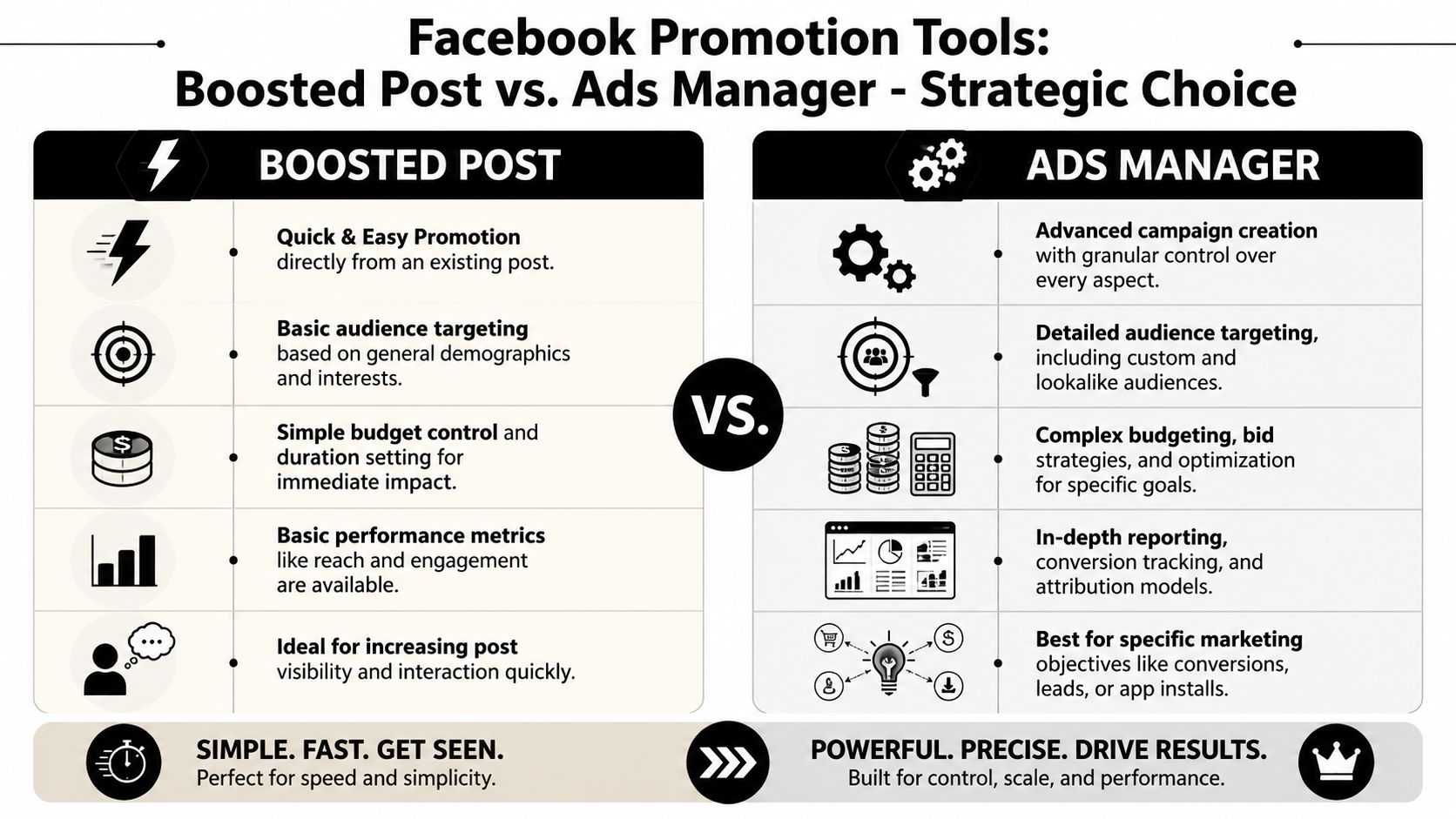
A boosted post is the fast lane. Ads Manager is the control room. Both can distribute content. Only one gives you enough structure to treat paid social like a proper acquisition channel.
When boosting is the right move
Boosting makes sense when you already have a live post and want to extend it quickly without building a campaign from scratch. That's useful for:
Proven organic posts that already have comments, shares, or saves
Simple local promotions where broad visibility matters more than deep funnel tracking
Community engagement when you want more people to see and interact with the content
Fast tests before committing creative budget to a fuller paid build
In those situations, friction is the enemy. The boost flow removes most of it.
When Ads Manager is non-negotiable
Once you care about structured performance, Ads Manager stops being optional.
Use it for:
Need | Better tool | Why |
|---|---|---|
Lead generation | Ads Manager | You need cleaner objective control and conversion setup |
E-commerce sales | Ads Manager | Purchase-focused optimisation requires more depth |
Creative testing | Ads Manager | Reforge notes that Facebook Ads allow A/B testing of creative, which helps reduce acquisition costs over time in a disciplined workflow, as outlined in Reforge's performance analysis |
Remarketing | Ads Manager | Boosting is too limited for serious audience sequencing |
Scalable acquisition | Ads Manager | You need repeatability, reporting, and budget control |
The performance gap in that Reforge comparison is the clearest reason not to blur these use cases. The Facebook Ad in the test delivered a 1.347% click-through rate versus 0.670% for a Boosted Post, and a £2.78 cost per click versus £6.02 for the boosted version in the UK framing of the same analysis. If your team is under pressure to justify spend, that gap matters.
A boosted post can look cheaper because it feels simpler. Simpler doesn't mean more efficient.
A practical decision filter
Ask these four questions before choosing the tool:
Do you need conversion optimisation?
If yes, go to Ads Manager.Are you promoting an existing post because it's already working?
If yes, boosting may be the right first move.Do you need audience depth, testing, or remarketing?
That's Ads Manager territory.Is this spend mainly about visibility and interaction?
Boosting can do that job.
If your team needs a broader sense of campaign formats before building, it helps to explore Meta ad types so the choice isn't reduced to “boost or don't boost”. And if you're trying to combine paid distribution with creator identity signals, it's also worth understanding influencer whitelisting and why brands use it, because that approach often gives you more control than a standard page-post boost while keeping the social proof intact.
A Practical Walkthrough of Boosting a Post
The mechanics of boosting are easy. The hard part is making good decisions inside a simplified interface.
Start with post selection
Don't boost the post you wish had worked. Boost the one that already did.
Hootsuite recommends setting clear goals first and boosting content that is already performing well, while manually reviewing the settings that Facebook auto-fills instead of publishing on defaults, as explained in Hootsuite's guide to how boosting works. That matters because the default setup often reflects convenience, not your actual commercial priorities.
A post is a strong boost candidate when the organic response tells you something useful. Maybe people are sharing it without prompting. Maybe comments show genuine buying intent. Maybe the content clearly lands with a local audience.
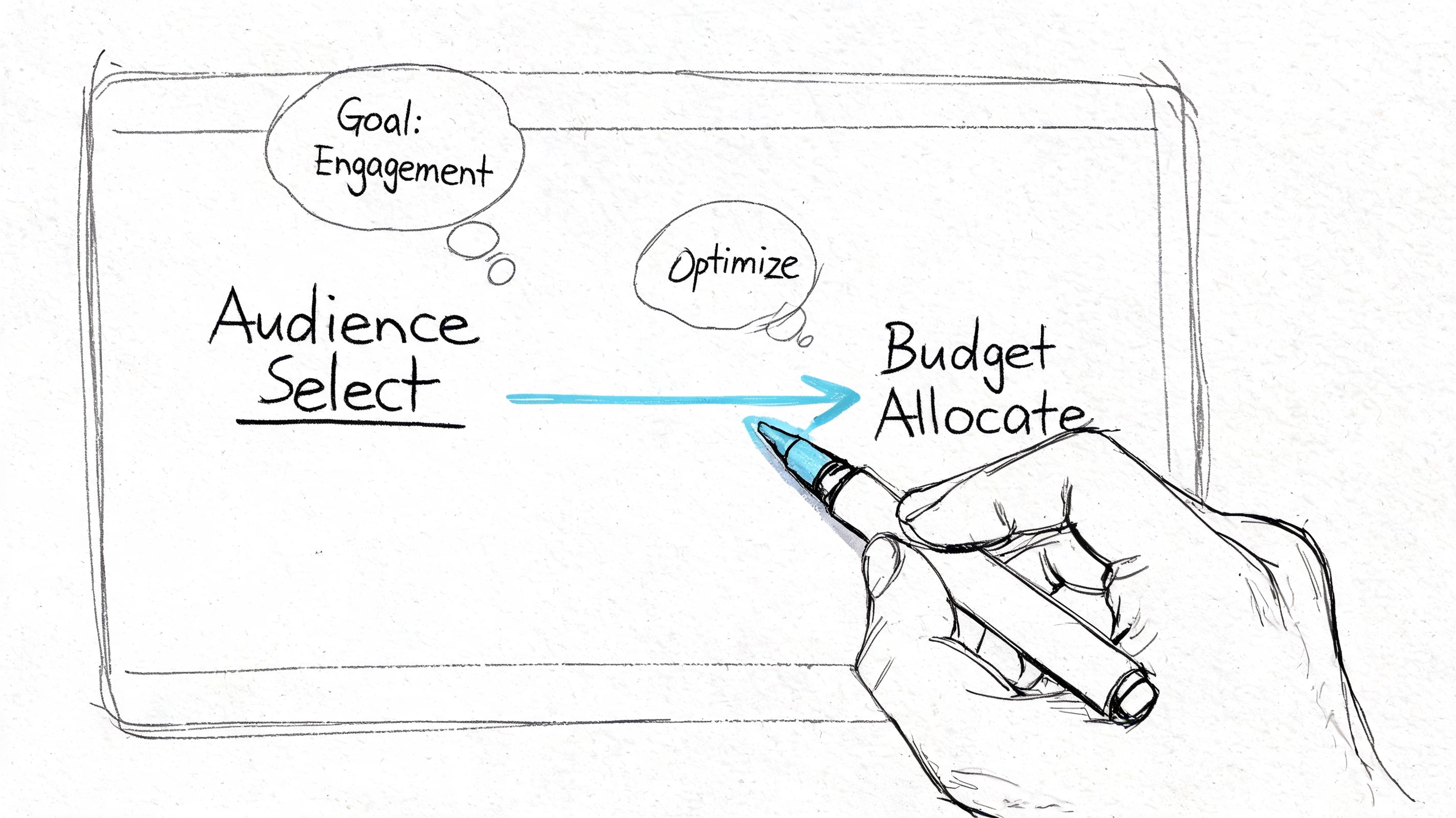
Choose the objective with discipline
The interface makes objective selection feel minor. It isn't.
If you choose an engagement-style outcome, Meta will look for people who tend to engage. If you choose messages, you'll usually get a different response pattern. If you choose traffic, the system will lean in that direction within the limits of the boost tool.
Use a simple rule set:
Engagement: best when comments, reactions, and visible proof matter
Messages: useful when your team can reply and convert conversations
Traffic: acceptable when the landing page is strong and the ask is simple
Local awareness style promotion: useful for nearby audiences and time-sensitive updates
Don't trust the defaults
For many boosts, problems arise. Meta can auto-fill audience, duration, budget, and goal settings. That saves time, but it also makes lazy decisions easy.
Check each element manually:
Audience
Tighten location if the offer is local. Remove broad assumptions. Keep relevance high.Budget
Spend enough to get a signal, not so much that a weak post gets expensive.Duration
Keep the test controlled. You want a read, not a lingering campaign nobody revisits.
Here's a quick visual refresher on the workflow and the trade-offs inside it:
Review it like an ad, not like a post
Before you publish, read the boosted post as if you were seeing it cold in-feed.
Ask:
Is the call to action obvious?
Does the creative still make sense to someone who doesn't follow the page?
Is the first line strong enough to stop the scroll?
Does the audience match the offer?
If you wouldn't approve it as a paid ad, don't rescue it with the boost button.
That single habit prevents a lot of wasted spend.
Optimising Creative and Copy Before You Boost
Most boosted posts fail before budget enters the picture. The post itself isn't strong enough.
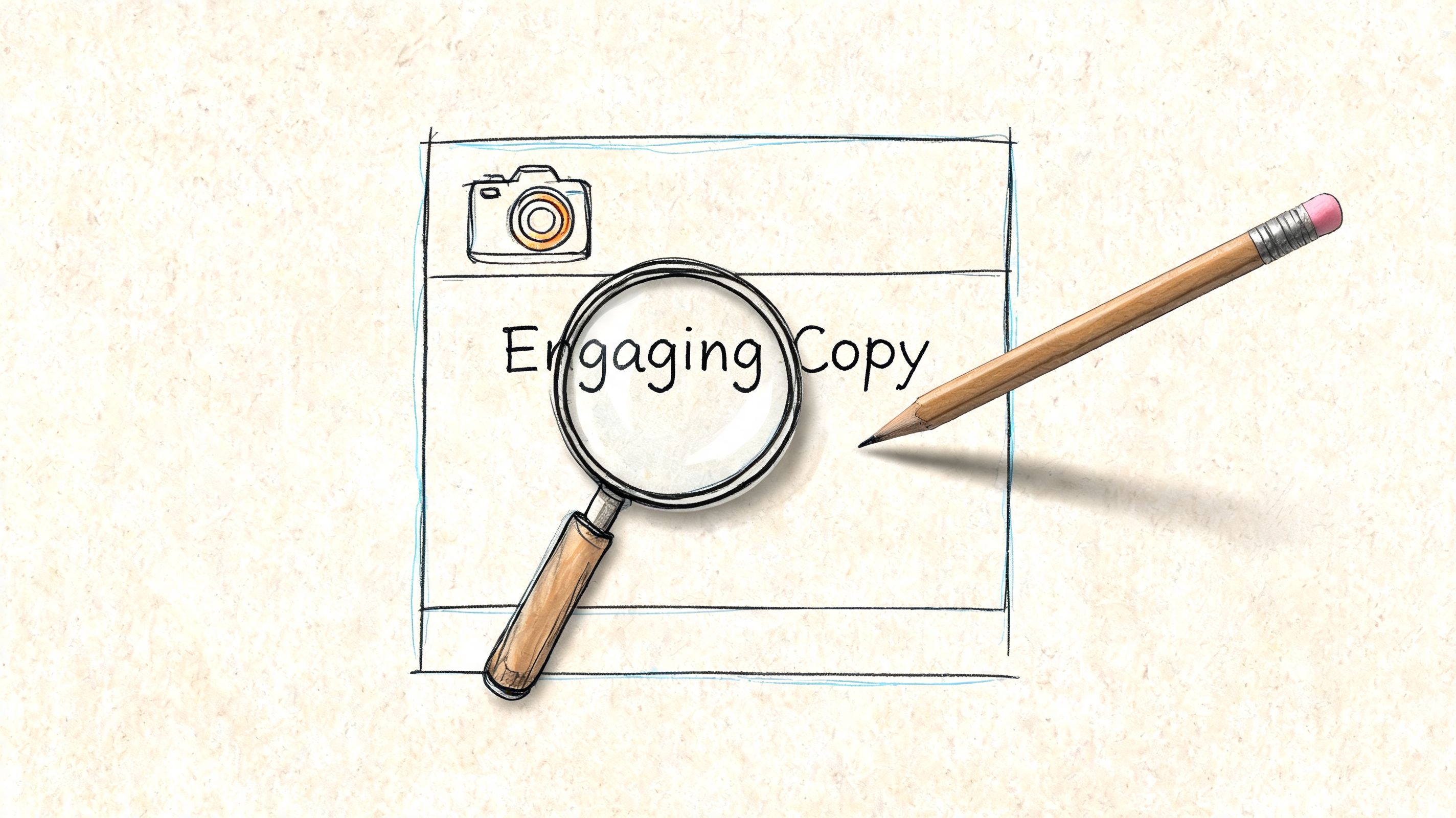
That's why the best facebook post booster results usually come from content built with paid amplification in mind. Not overproduced. Not stiff. Just clear, specific, and good enough that putting media behind it makes sense.
What strong boosted creative usually has
Good boosted content tends to share a few traits:
One job only
A post that tries to announce, entertain, explain, and sell at the same time usually underperforms.A clear first line
The opening has to earn attention immediately. If you need inspiration for sharper openings, this breakdown of crafting video hooks for social media is useful beyond video. The same principle applies to feed copy.Visuals that read fast
Busy graphics, tiny text, and overdesigned creatives often lose to simple visuals with one obvious focal point.A natural call to action
“Book now”, “See menu”, “Shop the drop”, or “Message us” works better than vague prompts.
Build for paid without sounding paid
The highest-performing boosted posts rarely feel like banner ads dropped into a social feed. They still feel native to the platform.
That means the copy should sound like a real brand voice, not corporate ad-speak. The image or video should give the user a reason to pause. The offer should be visible without making the post feel desperate.
Strong paid social often starts as strong organic content with a clearer ask.
A useful test is to ask whether the post would still be worth reading if nobody clicked. If the answer is no, the content probably lacks intrinsic value.
Repurpose what already feels real
A lot of brands overestimate polished studio assets and underestimate content that already proved it can hold attention in-feed. Existing customer reactions, creator content, demonstration clips, and product-in-use visuals often make stronger boost candidates than generic promotional graphics.
If your team already has creator or customer content, it's worth learning how to repurpose influencer content for paid social ads. The practical advantage is simple: content that already looks native often needs less force to perform.
Before boosting, check three things one final time:
The headline or opening line earns attention
The visual communicates even with the sound off
The CTA matches the landing experience
If one of those breaks, boosting won't fix it. It will just expose the weakness faster.
Measuring Success and Avoiding Common Pitfalls
The dashboard for a boosted post is simple. That's both useful and dangerous.
Useful, because it gives teams fast feedback. Dangerous, because it encourages shallow interpretation. A post can look busy and still underperform where it counts.
Look past vanity metrics
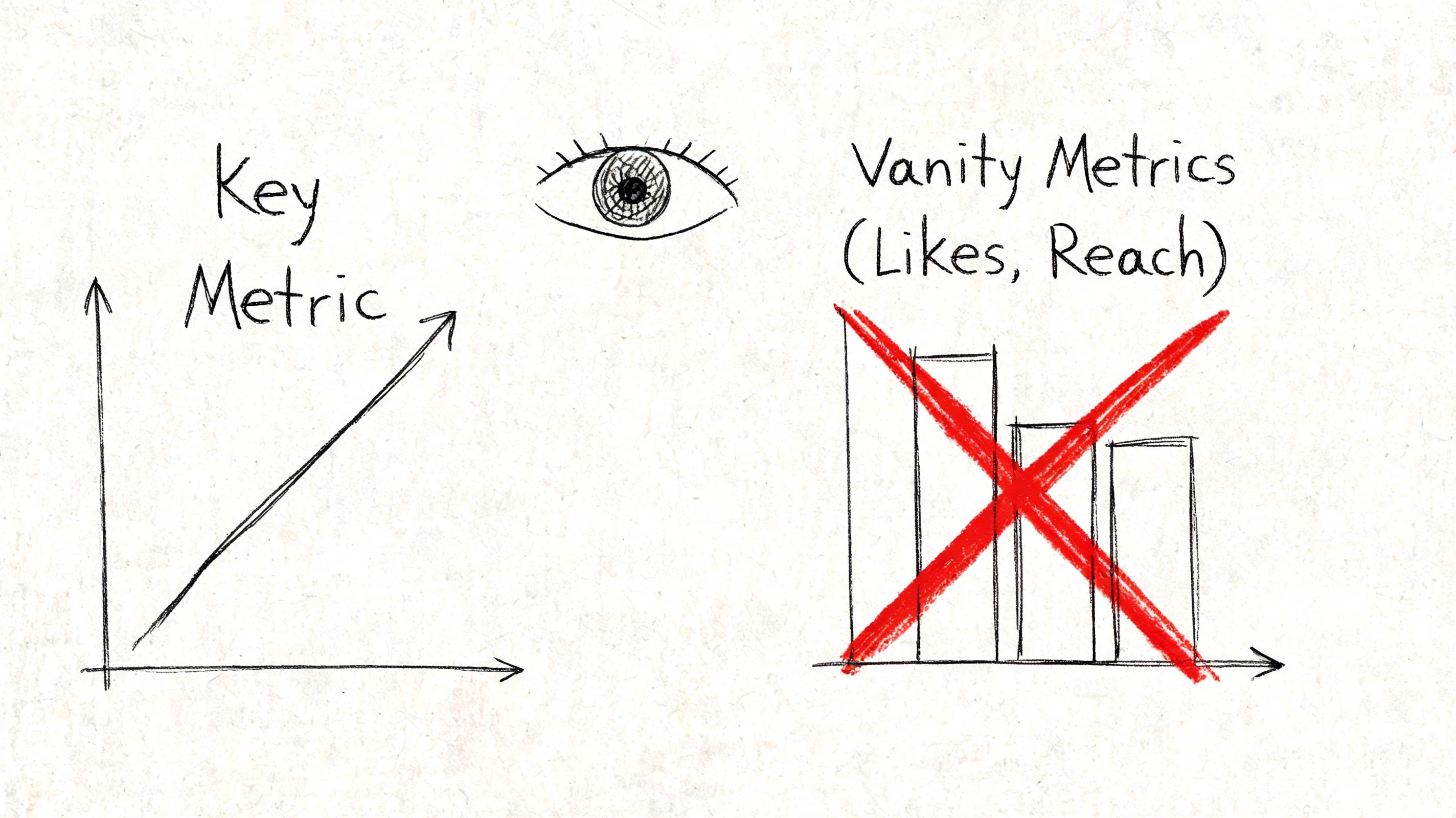
Reach, likes, reactions, and comments tell you whether people noticed the content. They do not tell you whether the spend was commercially worthwhile.
For boosted posts, the more useful questions are:
Did people click through?
Did the cost per result make sense for the objective you chose?
Did the audience behave the way you expected after the click?
Did this boost teach you which message or offer deserves a fuller campaign?
If your team wants a more disciplined reporting lens for paid social, tools and frameworks built around AI insights for DTC profit can help shift attention away from surface-level metrics and toward decision quality.
The biggest mistake is objective mismatch
This is the pitfall that burns the most budget.
Carroll Media's view, referenced in the verified guidance, is that boosting is typically tied to post-engagement style outcomes rather than conversion optimisation. PBJ Marketing adds an operational rule that boosts often work best in a three to seven day window because that gives Meta enough time to optimise delivery within that narrower objective, as discussed in PBJ Marketing's comparison of boosted posts and Meta ads.
That means a boosted post can generate visible interaction and still be the wrong vehicle for sales, bookings, or lead quality.
High engagement is not proof of commercial intent. It's proof that the content was easy to interact with.
Common ways brands waste money
Some mistakes repeat constantly:
Running the boost too long
A boost should validate or amplify. It shouldn't drift indefinitely because nobody wants to turn it off.Targeting too broadly
Broad audiences can make a weak post look active without making it relevant.Using the wrong success metric
If the goal was traffic, don't celebrate comments. If the goal was bookings, don't stop at link clicks.Boosting weak posts out of hope
Paid support amplifies reality. It doesn't replace message-market fit.
Turn each boost into a decision
A good boost gives you one of three outcomes. You either confirm the message has legs, learn that the audience was wrong, or discover the post wasn't worth scaling.
That's the standard to bring into every review. And if you're comparing boosted social with creator campaigns or broader social investment, it helps to use a framework grounded in the metrics that actually matter in influencer measurement, because that pushes the conversation toward attributable outcomes rather than platform-native applause.
Smarter Alternatives for Driving Real Growth
The bigger issue with the facebook post booster isn't that it's bad. It's that many brands ask it to do work it was never built to do.
If your page posts only reach about 2–3% of followers on average, as noted earlier from Carroll Media's analysis, paid support becomes part of the job. But there's a difference between paying to extend reach and building a growth system that creates demand, trust, and attributable revenue.
Where creator-led growth changes the equation
A boosted post starts from the brand page. That often means the message arrives with lower novelty and lower trust than content coming from a creator, customer, or partner account.
Creator-led content solves a different problem. It doesn't just buy distribution. It creates fresh social proof. That matters when the goal is purchase confidence, local credibility, or content that can travel across channels without feeling like a standard brand ad.
In practice, this gives brands advantages boosting often can't match:
Authenticity: the message lands through a human voice, not a page admin
Content volume: creator programmes can generate multiple angles, formats, and hooks
Attribution: unique codes and UTM links create a cleaner line between content and outcome
Reuse value: strong creator content often works in paid social, landing pages, and organic feeds
A better ladder for budget allocation
If the objective is serious growth, a more reliable sequence looks like this:
Use organic posting to spot resonance
Use limited boosting to validate winners or support local visibility
Move proven messages into Ads Manager when scale and control matter
Bring in creator content when trust, authenticity, and measurable demand matter more than page-level reach
That's a more mature paid social system than repeatedly pressing Boost Post whenever a piece of content gets attention.
The practical takeaway
Boosting still has a place. It's useful for visibility, quick validation, and lightweight promotion. It just shouldn't be your default answer to every marketing problem on Facebook.
When brands want measurable outcomes, the stronger path is usually some mix of structured ad campaigns and attributable creator marketing. One gives you control. The other gives you trust. Both are better suited to growth than hoping a boosted brand post will carry the full load.
If your team wants a cleaner way to turn creator content into measurable growth, Sup helps you launch and manage creator campaigns with tracking links, promo codes, reusable UGC, and real attribution from content to clicks, bookings, and sales. It's a practical next step when you've outgrown vanity metrics and want social spend tied to outcomes.

Matt Greenwell
Share