How to Run Influencer Campaigns for Seasonal Restaurant Promotions: How to Run I

Matt Greenwell
Apr 9, 2026
Seasonal campaigns usually start with pressure. The menu is ready, the promotion window is short, covers need filling, and someone on the team says, “Let’s get a few influencers in.”
That is where many restaurant campaigns go wrong.
A seasonal creator campaign only works when it is built like an operating system, not a one-off stunt. You need the right promotion, the right local creators, a clear brief, clean scheduling, and attribution that tells you which post drove bookings, walk-ins, promo code use, and revenue. Otherwise you get a lot of content, a vague sense of momentum, and no real answer when the owner asks whether it worked.
How to Run Influencer Campaigns for Seasonal Restaurant Promotions comes down to one principle. Treat creator marketing like performance marketing with hospitality layered on top. The warm welcome matters. The food matters. The creator relationship matters. But the campaign still needs structure.
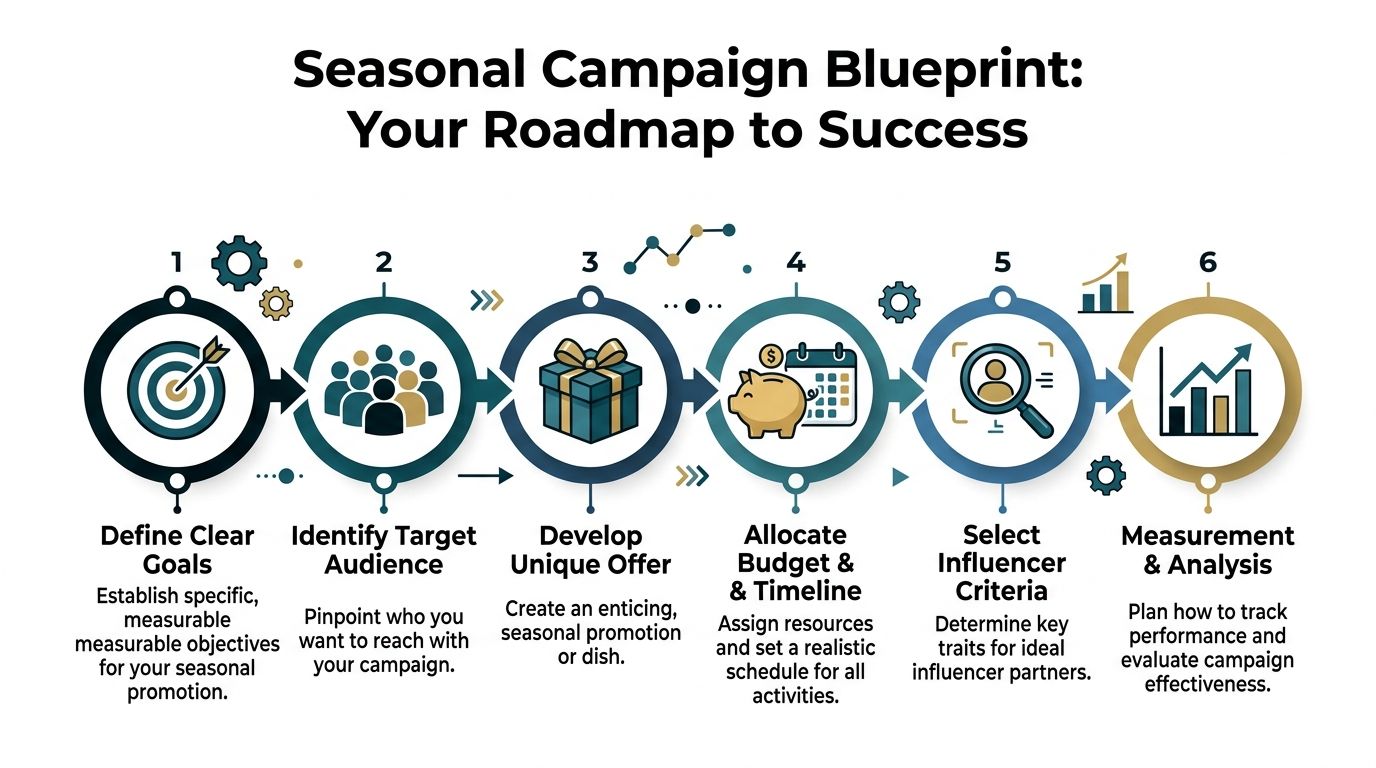
Building Your Seasonal Campaign Blueprint
Seasonal slumps are not just quiet periods. They are targeting opportunities.
If Tuesdays are soft, if January lunch trade dips, or if your summer terrace needs filling before the weekend, that is exactly where creator activity can help. The mistake is launching with a fuzzy objective like “get some buzz”. Buzz does not help the rota, stock ordering, or margin planning.
Start with one commercial job
Pick one thing the campaign must do.
Good campaign goals sound like this:
Fill a quiet service: Drive more Tuesday and Wednesday bookings for a fixed seasonal menu.
Push a specific product: Sell more high-margin cocktails, desserts, or limited-time add-ons.
Support a launch: Create demand for a Christmas set menu, Valentine’s special, or spring brunch offer.
Shift customer behaviour: Move guests from browsing social content to booking directly.
Bad campaign goals sound like this:
Get exposure: Too broad.
Raise awareness: Hard to connect to bookings.
Go viral: Not a strategy, and rarely useful on its own.
Every campaign brief should answer four questions before outreach starts:
Question | What you need to decide |
|---|---|
What are we selling? | The seasonal item, menu, event, or booking slot |
Who needs to see it? | Local diners, date-night couples, families, after-work crowd |
What action matters? | Book, redeem, walk in, buy gift cards, order a special |
How will we track it? | Promo code, UTM link, booking note, POS tag |
That last line matters most. If you cannot track the action, you are commissioning content, not running a campaign.
Build a yearly seasonal map
Restaurants that do this well do not invent campaigns from scratch every quarter. They create a calendar with repeatable moments.
A simple seasonal map can include:
January to February: New year reset menus, cosy dining, date-night offers
March to April: Mother’s Day, spring dishes, lighter cocktails, Easter gatherings
May to July: Outdoor dining, spritz menus, brunch pushes, graduation meals
August to September: Staycation traffic, local events, back-to-routine offers
October to December: Halloween specials, festive menus, gift cards, Christmas parties
You do not need a huge calendar deck. One shared planning document is enough if it includes:
Promotion window
Creative angle
Target audience
Offer details
Content deadlines
Tracking method
Post-campaign review notes
Match the campaign to operational reality
A strong seasonal plan respects the floor, the kitchen, and the booking team.
If Saturday dinner is already full, creator visits there may produce nice-looking content but weak commercial value. It is often smarter to direct campaign effort at lower-demand slots, products with better margin, or services that still have capacity.
Tip: The best influencer campaign objective is usually attached to a problem your ops team already feels.
That also means your offer has to be clean. One seasonal promotion per campaign is usually enough. If you ask creators to talk about the roast menu, two cocktails, a gift card push, private dining, and your new lunch deal in one Reel, the message collapses.
Use a campaign brief before you touch outreach
A blueprint does not need to be long. It needs to be usable.
Keep it to one page with:
Commercial objective
Seasonal offer
Audience
Booking or redemption window
Creator criteria
Content format
CTA
Tracking setup
Internal owner
If you want a broader reference point for framing creator activity around hospitality goals, this food influencer marketing guide is worth reviewing before you lock the brief. It is useful for pressure-testing whether your plan is built around outcomes or just content volume.
A sample blueprint in plain English
Here is what a workable campaign direction looks like:
Season: Autumn Offer: Limited-time Sunday roast and seasonal cocktail pairing Audience: Local couples and small groups within easy travel distance Primary action: Advance bookings for Sunday lunch Secondary action: Walk-in cocktail traffic Content ask: Reels and Stories showing food, atmosphere, and booking CTA Tracking: Unique creator codes and booking links Operational rule: Creator visits only during pre-agreed service windows
That level of clarity makes every later decision easier. It sharpens who you recruit, what you ask them to produce, and how you measure whether the campaign deserved budget again next season.
Sourcing and Vetting Local Food Influencers
Most restaurants do not have an influencer problem. They have a matching problem.
They pick creators who look polished, have a decent following, and post attractive food videos. Then the campaign underdelivers because the audience lives somewhere else, the engagement is weak, or the creator’s content style does not fit the venue.
The fix is simple. Vet creators like you would vet a location partner or local media buy. Relevance first. Reach second.
Essential Requirements
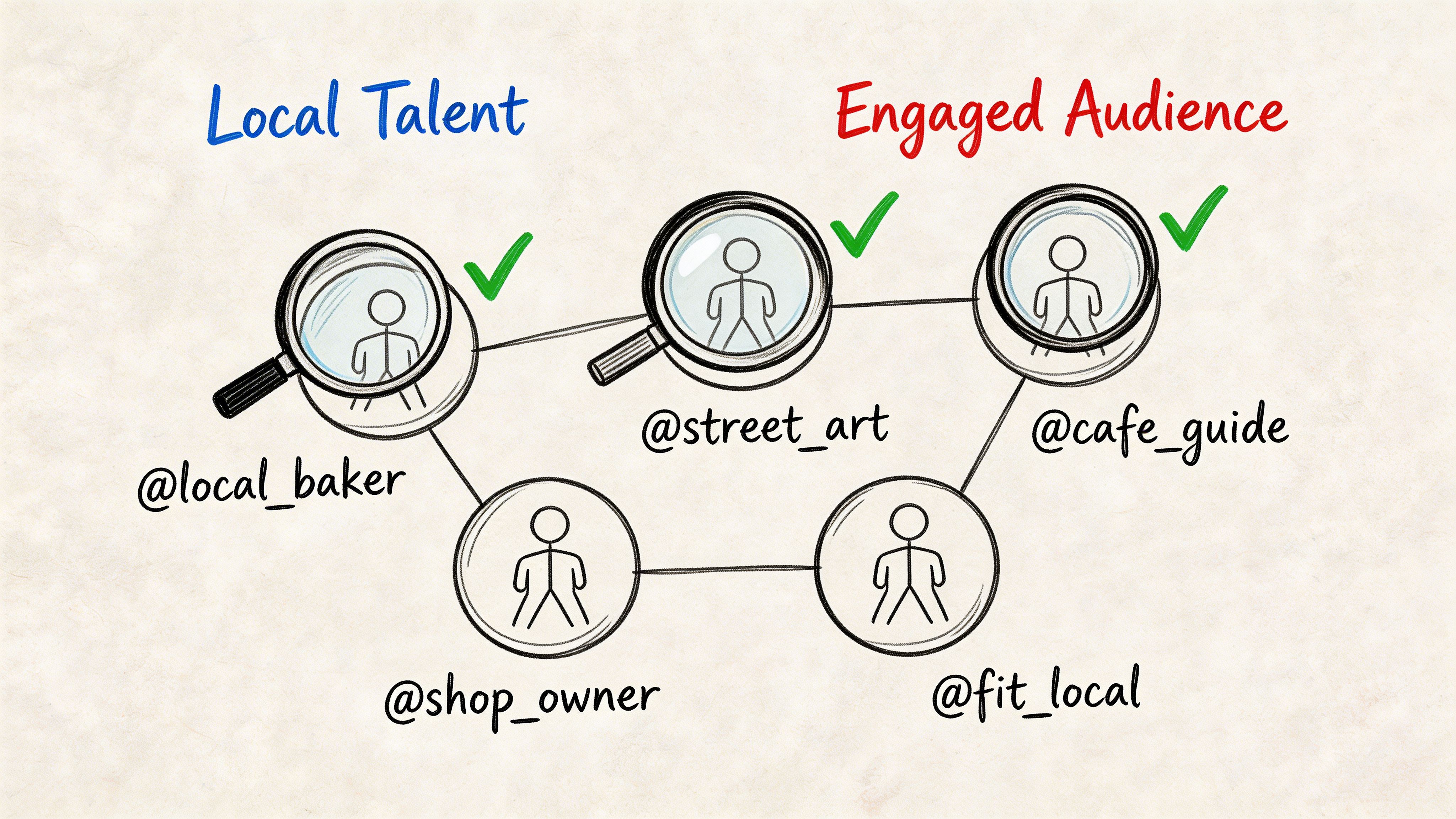
For UK restaurant campaigns, the most useful starting filter is local audience concentration. You want creators with 70%+ audience in your city or region, authentic engagement rates above a healthy threshold, and niche relevance around terms such as local brunch, city dining, or seasonal food content. The same guidance also recommends prioritising micro-influencers with a specific follower range, noting higher ROI vs. macros, with one UK restaurant example generating 47 reservations from 8 influencers at zero cost beyond meals (Spindl).
That tells you what matters:
Audience geography
Authentic engagement
Local food relevance
Manageable creator size
Clear fit with your venue
Follower count on its own tells you almost nothing.
What to check on every creator profile
I like to review creators in two passes. First pass is fast. Second pass is forensic.
First pass screening
Use this to build a shortlist.
Location signal: Their bio, captions, tags, and comment section should clearly point to your city or trading area.
Food fit: Their feed should already include restaurant visits, menu reviews, food storytelling, or local recommendations.
Recent activity: If they have not posted in a while, seasonal timing becomes risky.
Visual quality: You are not hiring a film studio, but the content should be bright, legible, and useful for reposting.
Second pass vetting
Here, weak candidates get cut.
| Check | What good looks like | Red flag |
|---|---|
| Audience location | Strong concentration in your catchment | Broad, irrelevant international audience |
| Engagement | Real comments and conversation | Generic comments or obvious pods |
| Brand alignment | Their tone matches your venue | Their style clashes with your atmosphere |
| Visit behaviour | They review hospitality naturally | They only post giveaway-style content |
| Reliability | Clear communication and professional responses | Slow replies, vague answers, missed details |
Why micro-influencers often outperform
For seasonal restaurant promotions, local influence usually beats broad influence.
A creator with a tightly matched local audience can drive actual footfall because followers can act on the recommendation quickly. They know the area. They trust the creator on nearby places. They can book this week.
A larger creator can still work, but the economics are often rougher for restaurants. You may pay more, get less local relevance, and struggle to connect views to diners.
Practical rule: If the audience cannot realistically travel to your restaurant during the campaign window, the reach is inflated for your purpose.
How to build the shortlist
Use a mix of manual research and tools.
Search by neighbourhood, city-specific hashtags, tagged locations, competitor mentions, and phrases tied to your offer. If you are launching a festive menu, search creators already posting Christmas dining, winter cocktails, or city restaurant roundups. If you are pushing brunch, look for people whose audience expects brunch recommendations.
For a step-by-step process on building that local creator list, this resource on finding local food influencers in your city is useful: https://sup.co/blog/how-to-find-local-food-influencers-in-your-city
A practical shortlist sheet should include:
Creator name and handle
Platform
City or neighbourhood relevance
Follower range
Content style
Potential fit for this campaign
Initial notes on engagement quality
Contact status
Red flags that waste budget
Not every mismatch is obvious. The most expensive campaigns often fail unobserved.
Watch for:
Restaurant hopping with no depth: Plenty of posts, little sign followers act on recommendations.
Audience mismatch: The content is local-looking, but the community is not.
No clear niche: Lifestyle content can work, but generic posting often weakens conversion.
Over-scripted commercial feed: If every post feels transactional, followers tune out.
Poor service etiquette: If creators routinely arrive late, bring extra guests, or ignore booking instructions, your campaign turns into an ops problem.
Keep a creator bench, not a single list
The strongest teams keep segmented rosters.
Build separate groups for:
Date-night and upscale dining
Casual lunch and coffee
Family-friendly venues
Cocktail and nightlife
Vegan or dietary-specific audiences
Hyperlocal neighbourhood creators
That way, each seasonal campaign starts with a vetted pool instead of a blank search box. Over time, your creator selection gets faster, your fit improves, and your attribution becomes more trustworthy because you are working with people who suit the brief from the start.
Crafting Your Offer and Outreach Message
Most outreach fails before compensation even comes up.
The message is vague, the ask is unclear, the creator has to guess what the restaurant wants, and the proposal feels like free labour disguised as “exposure”. Good creators ignore it. The rest reply with confusion.
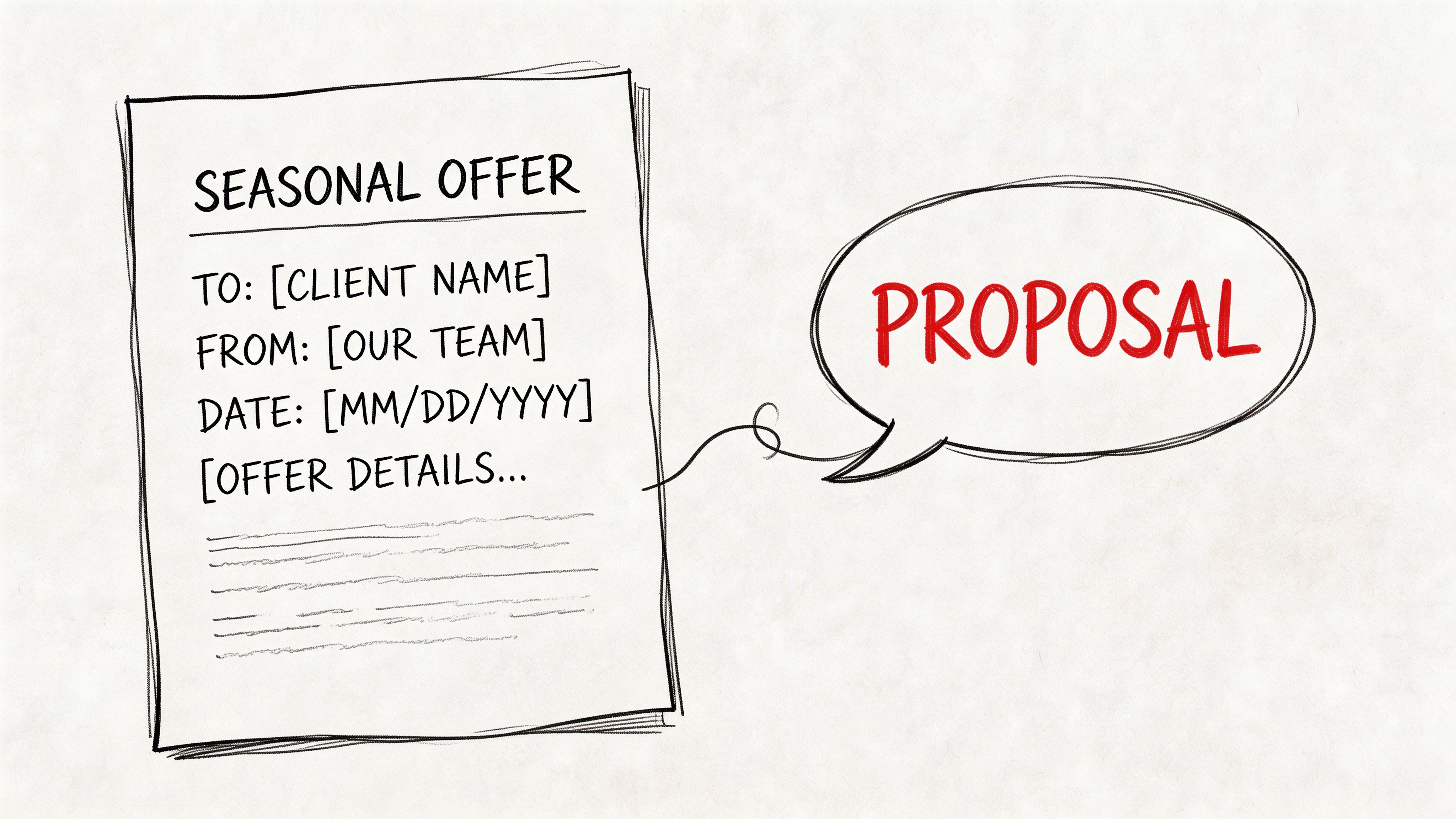
Your offer needs to answer three things fast. Why this restaurant, why this campaign, and why this creator.
Build an offer creators can say yes to
Restaurants often underthink the creator side of the deal.
A useful offer gives the creator:
A timely angle: Seasonal menus and limited-time experiences are easier to pitch to their audience.
A clear deliverable: They should know exactly what content is needed.
A smooth experience: Reserved table, named contact, easy arrival, and no confusion on the day.
Fair value: That might be hosted dining, paid work, or a mix, depending on the creator and deliverables.
Creative room: Good creators know how to make content that lands with their audience.
What does not work is a heavy brief with no hospitality planning and no respect for their workflow.
Keep the creative brief tight
Your brief should direct the campaign without flattening the creator’s voice.
Use this structure.
Seasonal creator brief template
Campaign name Autumn tasting menu launch / Festive cocktails / Valentine’s set menu
What we are promoting A short summary of the seasonal offer and why it matters now
Audience Who you want the content to reach locally
Deliverables Example: one Reel or TikTok, a set of Stories, one still image if needed
Key moments to capture Arrival, hero dish, drink pour, ambience, reaction, CTA moment
Mandatory details Offer name, booking window, relevant handle tags, disclosure requirements, booking link or code
What not to do Outdated menu items, old prices, unapproved claims, filming staff without permission
Creative freedom Tone, style, and edit approach remain in the creator’s voice
Approval process State whether content needs pre-approval, caption review, or only factual checks
Tracking method Unique code, link, or booking note
This is enough. Anything longer becomes homework.
Use outreach that sounds like a real partnership
The best outreach feels researched, specific, and easy to reply to.
Instagram DM template
Hi [Name], we run [Restaurant] in [Area]. We’re launching a seasonal [menu/offer] and thought your local food content would be a strong fit, especially your posts on [specific detail].
We’d love to invite you in for a hosted experience and discuss a collaboration around the launch. The campaign focus is [brief offer summary], and we’re looking for [deliverables] during [time window].
If it sounds relevant, I can send over the brief with timings, booking details, and deliverables.
Email template
Subject: Seasonal collaboration with [Restaurant Name] in [Area]
Hi [Name],
I’m reaching out from [Restaurant]. We’re preparing a seasonal [offer/menu/event] and are inviting a small group of local food creators whose audience aligns with our local guest base.
We liked your content around [specific post, format, or theme]. The collaboration would involve [deliverables], a hosted visit during [date window], and a clear booking or promo CTA tied to the launch.
If you’re open to it, I’ll send over the brief and proposed visit details.
Best,
[Name]
[Role]
[Contact info]
If you want a stronger framework for writing first-touch creator messages, this guide on the perfect influencer outreach email is a practical reference: https://sup.co/blog/how-to-write-the-perfect-influencer-outreach-email
Compensation needs a framework, not guesswork
There is no single fair rate card for every restaurant creator campaign, and pretending there is creates friction.
Instead, decide based on:
Scenario | Sensible structure |
|---|---|
New nano creator, light deliverable | Hosted meal can work if the fit is strong |
Micro-creator with proven local food content | Hosted meal plus fee is often cleaner |
Tight deadline seasonal launch | Paid priority usually gets faster turnaround |
Reuse rights for ads or website | Add usage terms explicitly |
The key trade-off is simple. The more direction, usage, deadlines, and revisions you require, the less suitable a meal-only arrangement becomes.
Tip: If you want ad-ready content, strict timings, or repost rights beyond organic social, treat it as commissioned work and state that upfront.
The details that improve reply rates
Small things make a difference:
Reference a real post, not just “love your content”
Offer a clear date window
Name the promotion in one line
State whether guests are included
Avoid long PDFs in the first message
Do not ask for rates before confirming fit unless budget is your only filter
Creators are screening you too. They want to know whether your team is organised, respectful, and worth working with under deadline. A sharp offer and a clean first message signal that immediately.
Executing the Campaign and Tracking Performance
Execution is where promising campaigns become operational chaos or measurable wins.
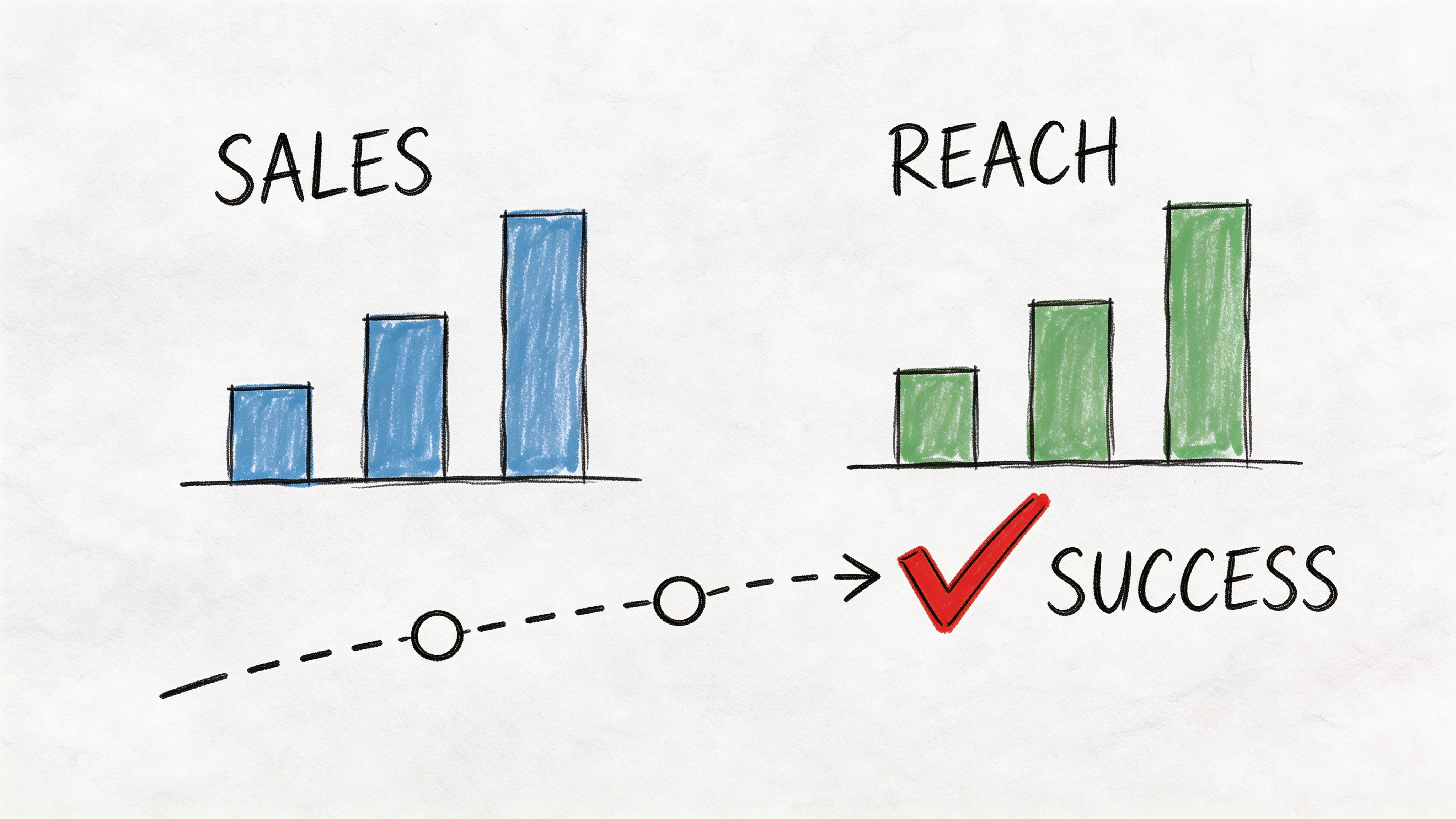
A creator partnership can fail even after a strong brief if the booking gets mishandled, the service team is not informed, the code is missing, or nobody captures what happened after the post went live. Seasonal campaigns tighten that margin for error because the offer window is short.
Run creator visits like service bookings
Treat creator visits as booked campaign assets, not casual comps.
That means each booking should have:
Named reservation details
Arrival time
Table plan
Assigned staff contact
Offer included
Filming notes
Dietary requirements
Deliverables expected
Tracking code or link assigned
If the host stand has no idea who is arriving, content quality drops fast. The creator starts awkwardly. Service becomes inconsistent. The post feels less genuine because the experience itself was disorganised.
Where possible, schedule visits when the restaurant looks alive but the team can still give attention. You want atmosphere, but you do not want a fully slammed service that turns filming into a problem.
Connect content to action from day one
This is the part most restaurants skip. They track views and comments because those numbers are visible. They miss bookings and spend because those require setup.
At minimum, each creator should get:
A unique promo code
A unique UTM-tagged link
A campaign tag in your booking or POS process
A simple reporting sheet
The code tracks direct redemption. The UTM shows traffic behaviour. The booking or till tag catches the people who mention the creator without using the link exactly as intended.
If you need examples of how brands structure creator-led content for stronger performance once it is live, this guide on how to make UGC that converts is useful. The creative and the tracking should support each other.
A simple operating workflow
Here is the process I recommend for short seasonal pushes:
Before launch
Confirm every booking: Date, time, guest count, and content format
Load tracking assets: Create codes, links, and internal notes before the visit
Brief the team: Front of house and managers should know the campaign goal
Prepare the product: Seasonal items must be available and presented consistently
During the visit
Log attendance: Did the creator arrive on time and complete the visit
Support content capture: Keep service smooth, not intrusive
Note any changes: Extra guests, menu substitutions, timing issues
After the visit
Check posting deadlines
Verify code and CTA usage
Collect content links
Update your attribution sheet
Here is a useful explainer if your team needs a visual walkthrough of campaign flow and measurement in practice.
Tools help, but the process matters more
You do not need a large martech stack to do this well. A booking platform, a spreadsheet, GA4, your POS notes, and a shared campaign tracker can work.
If you want a more centralised workflow, one option is Sup, which prebuilds creator campaigns with outreach scripts, scheduling, unique promo codes, UTM links, and a dashboard for views, clicks, redemptions, and revenue. That kind of setup is useful when multiple creators or locations are involved.
What to review while the campaign is live
Do not wait until the end.
Look at:
Who posted on time
Which content included the CTA correctly
Which codes started redeeming
Whether traffic patterns match expectations
Any ops issues affecting guest experience
Key takeaway: A seasonal influencer campaign works best when logistics and attribution are designed together. The booking is not separate from measurement. It is the first step in measurement.
When this is handled well, you stop debating whether creator marketing is “working” in the abstract. You start comparing creators, offers, and campaign windows based on evidence.
Measuring ROI and Amplifying Your Results
The post going live is not the finish line. It is the handoff point from content to commercial analysis.
If your team cannot answer what the campaign cost, what it generated, and what content is worth reusing, you are leaving value on the table twice. First in attribution, then in asset reuse.
Calculate ROI with a formula your team will use
Keep the maths plain.
A working campaign ROI formula is:
ROI = (Revenue attributed to the campaign - total campaign cost) / total campaign cost
Use the most defensible revenue figure you have. For restaurant campaigns, that is usually built from:
promo code redemptions
bookings made through creator-specific links
in-venue bookings tagged to the campaign
tracked purchases tied to the seasonal offer
Your cost base should include:
creator fees
hosted meals and drinks
staff time if significant
any paid amplification
production extras if you supplied them
If you want a deeper operational method for tying promo codes to creator results, this walkthrough on tracking influencer attribution with promo codes is useful: https://sup.co/blog/how-to-track-influencer-marketing-attribution-promo-codes
Separate leading indicators from actual outcomes
Impressions, saves, shares, replies, and profile visits still matter. They tell you whether the content is landing.
But they are leading indicators, not business outcomes.
The outcomes that matter for seasonal restaurant campaigns are:
Leading indicator | Outcome metric |
|---|---|
Story replies | Booking enquiries |
Link clicks | Confirmed reservations |
Video views | Redemptions or visits |
Saves | Delayed booking intent |
Comments asking location/hours | Walk-in potential |
Use engagement to diagnose performance. Use bookings and sales to judge it.
Handle ASA compliance as part of campaign management
Professional influencer marketing in hospitality includes compliance. It is not an optional tidy-up after creative is approved.
For UK campaigns, ASA guidelines require #ad in the first 20% of TikTok videos and unedited 'paid partnership' tags on Instagram Reels. Non-compliance led to £150k in fines for 42 UK food campaigns in 2025, and tools with ASA-compliant templates can save 95% of the time spent ensuring compliance (Deliverect).
That creates a real trade-off. Strong disclosure can reduce creative flexibility, but weak disclosure creates legal and reputational risk for both the brand and the creator.
Build compliance into the brief and approval process:
State disclosure requirements in writing
Check captions and on-screen text before posting where agreed
Confirm platform tags are enabled
Keep records of approved deliverables
Tip: The fastest way to create compliance problems is to rush a seasonal post without a pre-approved disclosure template.
Turn campaign content into a reusable asset library
One strong creator post can do more than one job if you plan rights and storage properly.
After the campaign, collect:
final published links
raw files if agreed
best-performing hooks
strongest stills
testimonials or reactions that can be reused qualitatively
top comments that reveal buyer intent
Then sort content by use case:
Asset type | Best reuse |
|---|---|
Dish close-ups | Organic social, menu landing pages |
Creator reactions | Paid social testing, Stories |
Venue ambience clips | Booking pages, event pages |
Seasonal menu walkthroughs | Email, Reels, TikTok reposts |
Do not dump everything into one folder called “influencer content”. Tag by season, offer, creator, location, and content type. That turns each campaign into a growing content bank instead of a forgotten folder.
Run a short post-mortem
When the campaign ends, ask:
Which creators drove tracked actions?
Which content angles produced the best response?
Which offer converted best?
Were there any operational bottlenecks?
What should be repeated next season?
That review is where seasonal influencer marketing becomes scalable. The first campaign teaches you what happened. The second campaign should start with those lessons already built in.
Answering Your Seasonal Campaign Questions
What if an influencer does not show up?
Set the rule before booking confirmation. Require a confirmed date, arrival window, and named contact. If they no-show without notice, pause future collaborations and record it in your creator tracker.
Do not improvise compensation after the fact. Follow the written agreement.
What if the review is mixed, not glowing?
Do not panic and do not argue in public.
If the feedback is fair, treat it as customer insight. Thank the creator, log the issue internally, and look at whether service, wait times, or product consistency played a part. Mixed feedback can still drive trust if the content feels honest.
Should we do group tastings or individual visits?
Use group tastings when you need momentum, lots of content in a short launch window, and a controlled event feel.
Use individual visits when you want calmer storytelling, stronger service, and content that feels more like a genuine guest experience. For many restaurants, individual visits produce better local recommendation content.
How much creative control should we keep?
Control the facts, not the personality.
You should lock the offer details, booking link, code, disclosure language, and any factual brand points. Let the creator choose how they speak to their audience. Over-scripted content usually feels less credible.
What if the creator brings extra guests?
Set guest count in writing before the booking. Put it in the confirmation message and host notes.
If extras arrive, give the floor manager authority to decide whether to accommodate them and what remains hosted versus chargeable. This avoids awkwardness at the table.
What is the biggest operational mistake restaurants make?
They brief the creator and forget the venue team.
Front of house, managers, and the kitchen need to know what is happening, what is included, and why the booking matters. If the team is confused, the campaign suffers before content is even filmed.
How many creators should we activate at once?
Use the number your team can host properly and track properly.
A smaller group with clean attribution and strong hospitality will usually outperform a larger, messy rollout. Seasonal campaigns reward precision more than volume.
If you want a done-with-you way to source local creators, organise outreach, assign promo codes and UTM links, and track bookings and revenue in one place, Sup is built for that workflow. It is a practical option for restaurant teams that want creator campaigns to run like a repeatable growth channel instead of a spreadsheet-heavy side project.
Matt Greenwell
Share